Opuliss Journal
American History, The Legacy We Carry
The beauty products made for deep skin tones carry a legal and clinical history most shelves never mention. It can be told in six dates, each one documented, and together they are the legacy every careful buyer inherits: how the science looked away, how the law wandered, and who built the institutions that turned both around.
1975: a scale built for somebody else
The skin classification dermatology still leans on was never designed for deep skin. Its author said so himself: "The concept of sun-reactive 'skin typing' was created in 1975 for a specific need: to be able to classify persons with white skin". 1 Types V and VI were added later. The instrument the research reached for first was calibrated on other skin, and much of what followed inherited that starting point.
1982: the law nearly blesses the bleach
The same era's law ran the other way. A Federal Register rule records that "the proposed monograph that published in the Federal Register of September 3, 1982, which would have added hydroquinone as a GRASE skin bleaching agent" was on the table: a proposal to certify over the counter skin bleaching as generally recognised as safe and effective. 2
2004: the field gets an institution
The correction came from within. "Established in 2004 by Dr. Susan C. Taylor, the Skin of Color Society (SOCS) is the global leader in skin of color dermatology", in the society's own words. 3 An organisation built to research, teach, and advocate for the skin the 1975 scale treated as an afterthought.
2006: the reversal begins
Twenty-four years after nearly blessing it, the FDA proposed the opposite: that "over-the-counter (OTC) skin bleaching drug products are not generally recognized as safe and effective (GRASE) and are misbranded". 2 The 1982 proposal was withdrawn in the same document. The rule itself was never finalised, which is why the next date matters.
2020: the law finally lands
The change that stuck arrived in legislation: "As a result of CARES Act, effective September 23, 2020, manufacturers and distributors of OTC skin lightening products that do not have FDA approval must remove the products from the marketplace." 4 Thirty-eight years from proposal to prohibition.
And beyond one country
The same account is now written into international law. The World Health Organization records that "Article 4 of The Minamata Convention on Mercury requires all Parties of the Convention to not allow the manufacture, import or export of cosmetics (with mercury content above 1ppm) including skin lightening soaps and creams". 5
What the shelf inherits
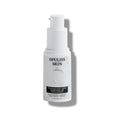
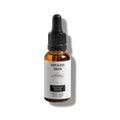
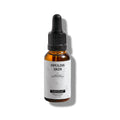
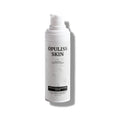
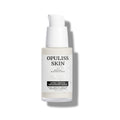
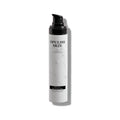
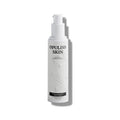
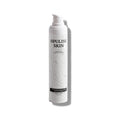
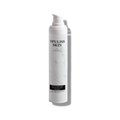
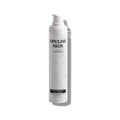
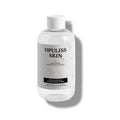
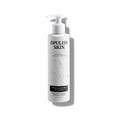
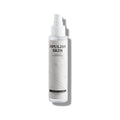
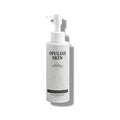
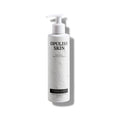
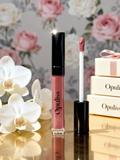
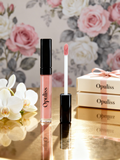
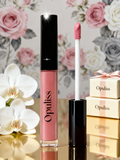
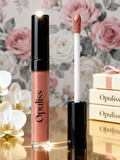
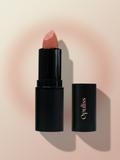
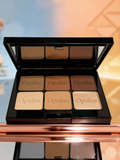
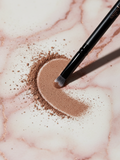
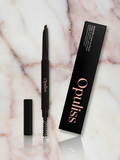
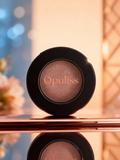
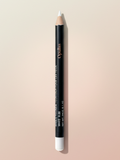
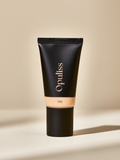
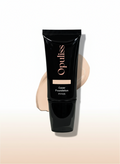
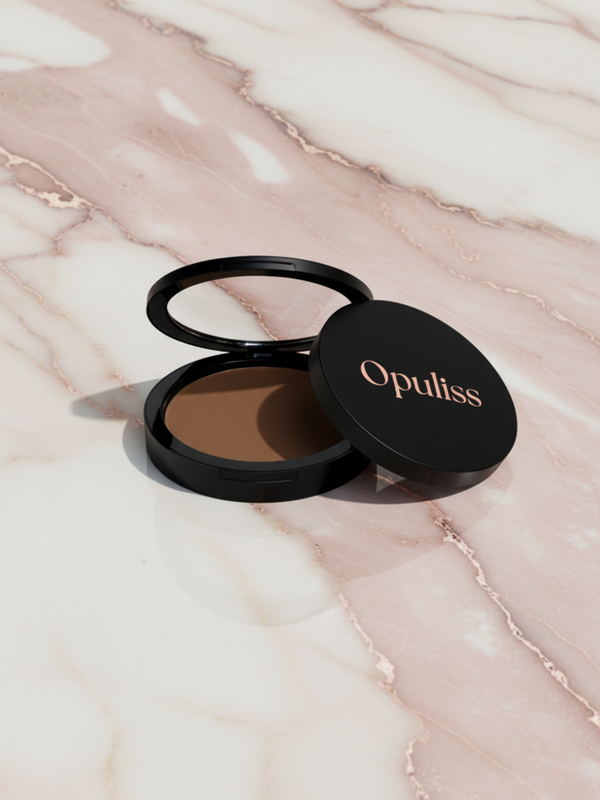
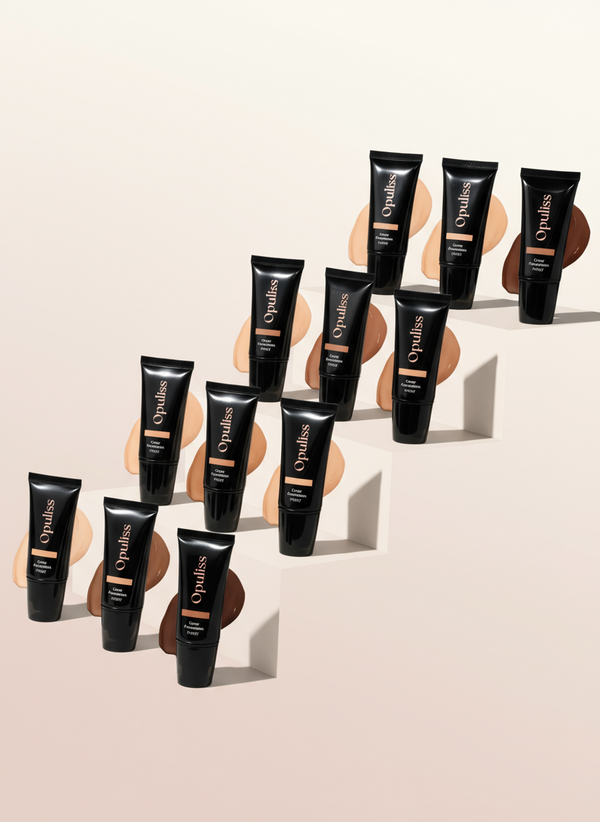
Products named in this piece, each in its own photograph.


What a shelf inherits
This history sets the standard a modern range has to answer: made for deep skin from the first formulation rather than adapted afterward, and honest enough to publish what is in the bottle. That is the measure Opuliss builds against, ingredient lists in full, claims traced to named studies, shades built by depth and undertone. The daily practice starts small: an evening step like the Alpha-Arbutin Brightening Serum or the Cellular Anti-Aging Bakuchiol Renewal Oil, a base such as Full Coverage Foundation in Coco refined with the Full Coverage Concealing Cream, colour from the Blush Palette in Pinch and Lip Gloss in Coco, and the Cannabidiol Beard Oil on the grooming side. The full ranges live in skincare, foundation, lips, and Opuliss Men.
History deserves more than a calendar post. It deserves a standard that holds every month of the year.
Welcome to The World of Opuliss
References
- Fitzpatrick TB. The validity and practicality of sun-reactive skin types I through VI. Arch Dermatol. 1988;124(6):869-871. PMID 3377516. doi.org/10.1001/archderm.124.6.869
- U.S. Food and Drug Administration. Skin Bleaching Drug Products for Over-the-Counter Human Use; Proposed Rule. Federal Register. 2006;71:51146. federalregister.gov, 71 FR 51146
- Skin of Color Society. About SOCS. skinofcolorsociety.org/who-is-socs/about-socs
- U.S. Food and Drug Administration. FDA works to protect consumers from potentially harmful OTC skin lightening products. Drug Safety Communication, 2022. fda.gov drug safety communication
- World Health Organization. Elimination of mercury-containing skin lightening products. who.int initiative page
Shop the edit
What are the best Opuliss products?
Every Opuliss formula is made to earn its place in your ritual. These are the pieces our community reaches for first.
 Coral Lip Gloss
A high-shine lip gloss on a cushiony, non-castor oil base that gives glass-like shine and a smooth, non-s...
 Warm Nude Foundation
A silicone-in-water foundation that evens tone and leaves a luminous, dewy finish, buildable from a sheer...
 Juliet Automatic Lip Liner
A retractable, no-sharpen lip liner that glides on rich, precise color and holds a defined lip line throu...
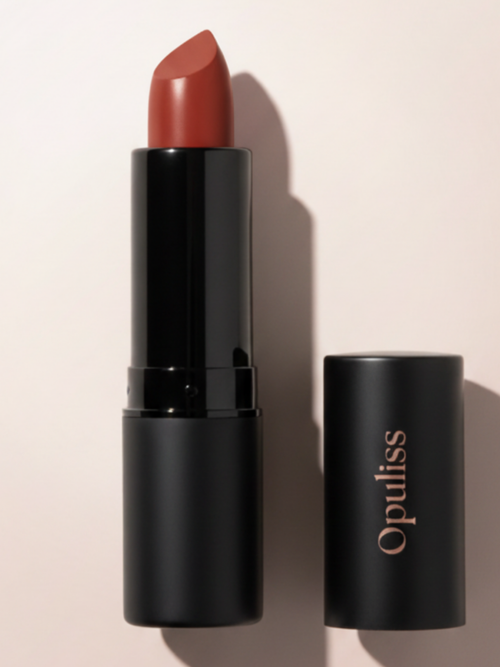 Misty Mauve Beeswax Lipstick
A cast lipstick that lays down rich, saturated color in one smooth, comfortable stroke and sets to a soft...
The Opuliss list
Join the Opuliss list
New rituals, ingredient stories, and first access to launches.
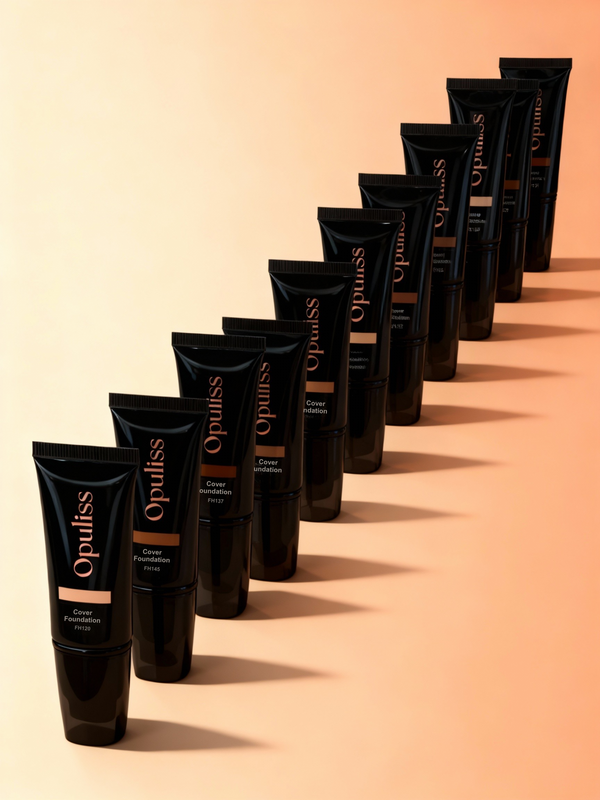

Opuliss Beauty
MAKEUP WORTH STANDING BEHIND
Cruelty-free, made to order, and every ingredient named. Explore the collection.
Discover the collection