A science-backed alternative to Dr. Barbara Sturm for reactive, easily-inflamed skin
The short answer. If you love the Dr. Barbara Sturm philosophy, calm, anti-inflammatory skincare for skin that flushes and reacts, but not the price, the honest alternative is not "a cheaper hyaluronic serum." It is a product built for the same job: keeping reactive skin comfortable. Sturm calms and hydrates with a purslane ferment and hyaluronic acid. The Opuliss CBD Barrier Facial Oil takes a barrier-first route: it soothes with cannabidiol and reinforces the skin's lipid barrier with hemp-seed essential fatty acids. Below is the honest, ingredient-by-ingredient case, with every claim sourced, and where each one's evidence is strong and where it is still emerging.
What Dr. Barbara Sturm actually stands for
Dr. Barbara Sturm is a luxury, founder-scientist brand whose whole identity is anti-inflammatory skincare: the promise of calm, "no-downtime" skin. The throughline across the line is a signature purslane (Portulaca oleracea) ferment, and it appears even in the brand's most iconic product, the Hyaluronic Serum, which pairs that ferment with hyaluronic acid. The brand markets the serum as "clinically proven to boost collagen and elastin" and to deeply hydrate and smooth fine lines. It retails at $325 for 30 ml at Nordstrom, an authorized retailer, with a 10 ml size also sold (2026).
Two things are true at once, and both matter:
- The hydration mechanism is real and well understood. Hyaluronic acid is a humectant: it draws and holds water at the skin surface, which is textbook hydration (Rajkumar et al., 2023). That part of the serum does what it says.
- The signature calming active rests on emerging evidence. Purslane has documented anti-inflammatory and antioxidant activity in the published literature, but, in the words of a pharmacology review of the plant, "few molecular mechanisms of action are known" (Zhou et al., 2015). The brand's own "clinically proven" language is a brand claim, not independent consensus. For a luxury shopper that can be a fair trade. The point of this page is to show what a comparable trade looks like, at a different price and with the evidence laid out plainly.
What calming reactive skin actually requires
Reactive, easily-inflamed skin, the kind that flushes, stings, or reddens, usually has two things going on at once: a lipid barrier that is under-supplied, and low-grade inflammation at the surface. The skin barrier lives in the outermost layer, the stratum corneum, where flattened cells sit in a mortar of lipids that keeps water in and irritants out. When that mortar thins, skin loses water and reacts more easily (Rajkumar et al., 2023).
So a product for reactive skin can help along two axes:
- Comfort and calm. Reduce the sense of reactivity with a soothing active and by not adding common irritants. Sturm does this with purslane. A CBD-first oil does it with cannabidiol.
- Barrier support. Resupply the skin's own lipids and emollients so the barrier is better stocked and less reactive. This is where a plant-oil, essential-fatty-acid base earns its place.
A good reactive-skin product addresses both. Sturm's Hyaluronic Serum leads with hydration (hyaluronic acid) plus its calming ferment. A barrier oil leads with lipids plus a calming active. Same job, two routes.
The alternative: Opuliss CBD Barrier Facial Oil
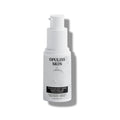
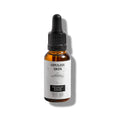
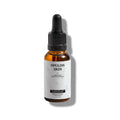
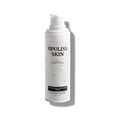
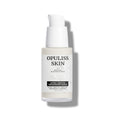
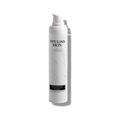
The Opuliss CBD Barrier Facial Oil is a 20 ml overnight-friendly facial oil built on a two-active core, 1% Cannabidiol (CBD) in an organic Cannabis Sativa Hemp Seed Oil base, with Tocopherol (Vitamin E) and a dry-touch emollient base so it absorbs without a greasy film. It is 100% natural origin, 62% organic origin, and vegan eligible.
- Cannabidiol is a cannabinoid that acts on the skin's own endocannabinoid system, the receptor network involved in the skin's immune balance and cell function (Bíró et al., 2009). Early research points to a calming role for CBD on the skin. Like purslane, the large controlled trials are not yet there, and this page says so.
- Hemp Seed Oil delivers a balanced blend of omega-6 (linoleic), omega-3 (alpha-linolenic), and gamma-linolenic essential fatty acids, and plant-derived fatty-acid oils are assessed by the US Cosmetic Ingredient Review panel as skin-conditioning, emollient, and moisturizing (Burnett et al., 2017). Basic emollients of this class are supported by clinical evidence for relieving dry skin and improving the barrier (Wollenberg et al., 2025).
- Tocopherol adds lipid-phase antioxidant support (Fiume et al., 2018).
The idea is the same one behind the La Mer comparison: where a luxury serum asks you to trust a proprietary or brand-tested active, this oil shows its work, and is candid about which parts of that work are well-established and which are still emerging.
A note on honesty, because it is the brand's entire premise. This oil is scented, and that is worth being upfront about. It contains a fragrance (Parfum) with three naturally-occurring allergens, Limonene, Linalool, and Citral, all listed on the label, so a 24-hour patch test is recommended before regular use. The Sturm Hyaluronic Serum, by contrast, is a short, alcohol-free and fragrance-free formula, and if a fragrance-free serum is your non-negotiable, that is a genuine point in its favour. The Opuliss trade is a different one: a richer, barrier-reinforcing oil with a soothing active, honestly disclosed fragrance and all.
The honest part: two promising actives, one transparent formula
Here is the comparison most "dupe" pages will not make. Both brands build their calm-skin promise on a botanical with promising but still-emerging topical evidence: Sturm on purslane, whose anti-inflammatory activity is documented but not fully mechanistically established (Zhou et al., 2015), and Opuliss on cannabidiol, whose calming role is supported by early research (Bíró et al., 2009). The honest claim is not that one active is proven and the other is not. It is that Opuliss tells you plainly where the evidence is strong, the barrier and emollient science (Burnett et al., 2017; Wollenberg et al., 2025), and where it is still preliminary, the calming active, and does not attach a $325 price to the distinction.
Side by side
| Dr. Barbara Sturm Hyaluronic Serum | Opuliss CBD Barrier Facial Oil | |
|---|---|---|
| The job | Hydration and plumping, with the brand's signature calming ferment | Overnight barrier comfort for dry, sensitive, redness-prone skin |
| Calming active | Purslane (Portulaca oleracea) ferment. Anti-inflammatory activity documented, mechanisms not fully established | Cannabidiol (CBD) via the skin's endocannabinoid system. Calming role supported by early research |
| Barrier and hydration | Hyaluronic acid humectant (draws water to the surface) | Hemp-seed omega-3/6/GLA emollient base that supports the lipid barrier + Vitamin E |
| Evidence you can read | The "clinically proven" claim is the brand's own | Every mechanism cited to independent peer-reviewed sources, with the preliminary parts flagged |
| Fragrance / alcohol | Alcohol-free and fragrance-free (short 8-ingredient formula) | Contains a fragrance (Limonene, Linalool, Citral), disclosed on the label. No denatured alcohol. Patch test advised |
| Composition | Luxury serum | 100% natural origin, 62% organic origin, vegan eligible |
| Size / price | 30 ml / $325 (10 ml also sold) | 20 ml / $197 |
Which one is for you
- Choose the Dr. Barbara Sturm Hyaluronic Serum if you want a water-light hydrating serum with hyaluronic acid, the founder-scientist story is part of the appeal, and a purslane ferment at a luxury price is a trade you are happy to make.
- Choose a barrier-first oil like the Opuliss CBD Barrier Facial Oil if your priority is calm, comfortable skin and a better-stocked lipid barrier, you want a soothing active (CBD) paired with an emollient base whose science is cited, and a formula that is honest about where the evidence is strong and where it is still emerging.
Same job, two philosophies: a luxury serum you take largely on the brand's word, or a formula that shows its evidence and its limits. Opuliss is built for the second kind of shopper.
Frequently asked
Does the Dr. Barbara Sturm Hyaluronic Serum contain alcohol? No. It is a short, alcohol-free and fragrance-free formula: water, butylene glycol, a purslane (Portulaca oleracea) ferment, hyaluronic acid, and mild preservatives. The Opuliss CBD Barrier Facial Oil, by contrast, does contain a fragrance with three disclosed allergens, so if a fragrance-free option is what you want, the serum is the cleaner pick on that axis.
What is a science-backed alternative to Dr. Barbara Sturm for reactive skin? A product built for the same job, calm, comfortable, better-supported skin, with its evidence shown. The Opuliss CBD Barrier Facial Oil pairs cannabidiol, a cannabinoid that acts on the skin's endocannabinoid system (Bíró et al., 2009), with a hemp-seed essential-fatty-acid base. Plant-derived fatty acid oils of this class are assessed by the US Cosmetic Ingredient Review as skin-conditioning and emollient (Burnett et al., 2017), and it flags which claims are well-established and which are still preliminary.
Is purslane or CBD better for calming the skin? Honestly, neither has the large controlled trials that would settle it. Purslane has documented anti-inflammatory activity with mechanisms not fully established (Zhou et al., 2015). CBD acts on the skin's endocannabinoid system (Bíró et al., 2009), with a calming role supported by early research. Both are promising botanicals with emerging evidence. The useful difference is transparency and price, not a proven winner.
Why is Dr. Barbara Sturm so expensive? Much of the price reflects the brand, the founder-scientist positioning, and the signature ferment rather than a uniquely proven mechanism. The hydration that does the visible work, a hyaluronic-acid humectant, is well understood and widely available (Rajkumar et al., 2023).
Is the Opuliss oil good for sensitive skin? It is formulated for dry, sensitive, and redness-prone skin, with no added denatured alcohol. It does contain a fragrance with three naturally-occurring allergens (Limonene, Linalool, Citral), which are disclosed on the label, so a 24-hour patch test is recommended before regular use.
References
- Rajkumar J, Chandan N, Lio P, Shi V. The Skin Barrier and Moisturization: Function, Disruption, and Mechanisms of Repair. Skin Pharmacol Physiol. 2023;36(4):174-185. DOI 10.1159/000534136.
- Bíró T, Tóth BI, Haskó G, Paus R, Pacher P. The endocannabinoid system of the skin in health and disease: novel perspectives and therapeutic opportunities. Trends Pharmacol Sci. 2009;30(8):411-420. DOI 10.1016/j.tips.2009.05.004. PMID 19608284; PMCID PMC2757311.
- Zhou YX, Xin HL, Rahman K, Wang SJ, Peng C, Zhang H. Portulaca oleracea L.: a review of phytochemistry and pharmacological effects. Biomed Res Int. 2015;2015:925631. DOI 10.1155/2015/925631. PMID 25692148; PMCID PMC4321094.
- Burnett CL, Fiume MM, Bergfeld WF, et al. Safety Assessment of Plant-Derived Fatty Acid Oils. Int J Toxicol. 2017;36(3 suppl):51S-129S. DOI 10.1177/1091581817740569. PMID 29243540.
- Wollenberg A, Barbarot S, Torrelo A. Basic Emollients for Xerosis Cutis in Atopic Dermatitis: A Review of Clinical Studies. Int J Dermatol. 2025;64(Suppl 1):13-28. DOI 10.1111/ijd.17793. PMID 40265493.
- Fiume MM, Bergfeld WF, Belsito DV, et al. Safety Assessment of Tocopherols and Tocotrienols as Used in Cosmetics. Int J Toxicol. 2018;37(2 suppl):61S-94S. DOI 10.1177/1091581818794455. PMID 30235959.
Last reviewed: 2026-07-12. Ingredient lists and prices are current as of this date. Brand formulations and pricing change, and this page will be re-verified on update.