All Ingredients/Zinc PCA

Zinc PCA
Summary
A zinc amino-acid salt used in our formulas for oily skin and the look of pores. In one trial, a cream combining it with other ingredients left fewer visibly clogged pores by the second week than a placebo cream.
Freshness in the formula
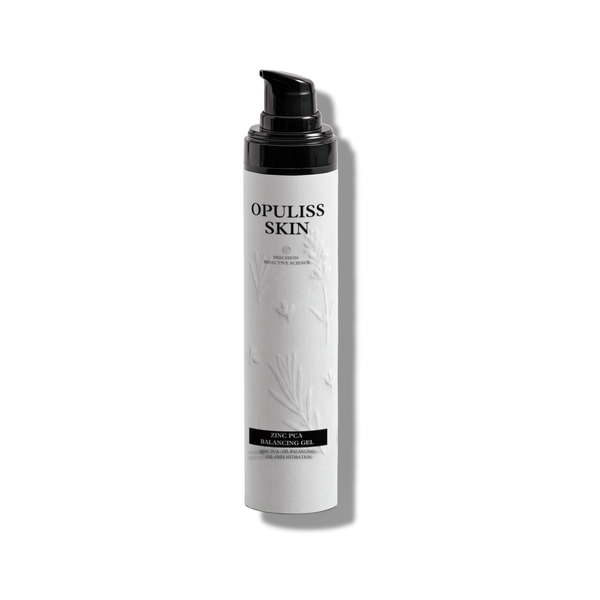
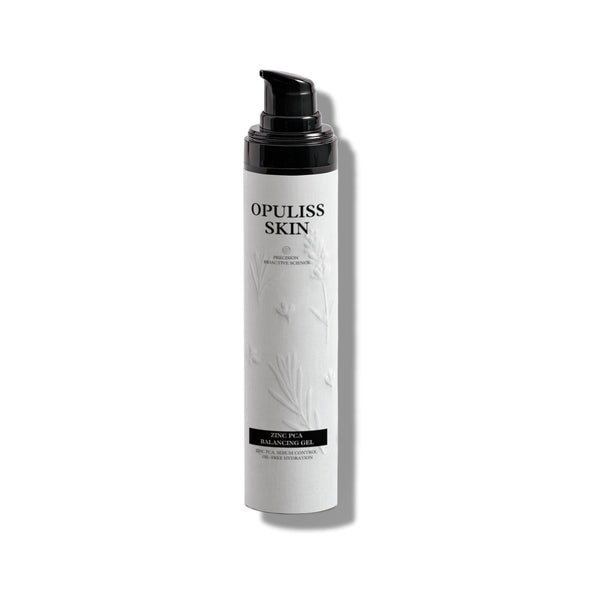
Zinc PCA sits in our formulas for one job: the look of pores and shine in oily skin. We file it under Clarifying in this glossary for the job we use it for, and the evidence section below says how far its sources go.
Freshness in the matte
The mechanism is the one stated in the summary above, and we have deliberately not extended it. Where a supplier or a competitor would reach for a bigger promise, the sentence we publish stops where the research stops.
Freshness in the evidence
We cite two studies, and neither tested zinc PCA on its own. Sugimoto 1995 (PMID 7738354) was a laboratory study in cells engineered to carry the skin form of the enzyme 5 alpha-reductase, where zinc ions strongly slowed that enzyme. You can read it yourself at PubMed 7738354. Sitohang 2020 (PMID 32983333) was a six week randomised, placebo-controlled trial of a cream combining zinc PCA with nicotinamide and a third ingredient. Both groups also used the same second product, and by the second week the combination group had fewer visibly clogged pores than the placebo group. You can read it at PubMed 32983333. Neither study measured oil or shine, so we grade them as early support for the look of pores and background for the rest, not solid support.
Freshness and its limits
The research behind Zinc PCA studies the ingredient, not the finished Opuliss product it sits in. It is not a trial of our formula, and we will not present it as one.
Cosmetic claims describe how skin looks and feels. Nothing here is a medical claim, and nothing here treats a condition.