Glycolic Acid: What This AHA Really Does
Discover the transformative power of glycolic acid with Opuliss Beauty. Learn how this alpha hydroxy acid accelerates cellular turnover, smooths texture, evens tone, and reveals radiant, youthful skin. Explore our expertly formulated treatments that pair glycolic acid with soothing, hydrating ingredients for comfortable, effective renewal.
What does glycolic acid do for skin? Glycolic acid is an alpha-hydroxy acid (AHA) that exfoliates at the skin's surface. It loosens the bonds holding dull, dead surface cells together, so they shed more easily and reveal smoother, brighter-looking skin. What we will not claim is that it stimulates collagen production. Here is what it actually does, with the one caveat AHAs require.
Glycolic acid is a genuinely effective exfoliant that is often described in drug-claim language. At Opuliss, we keep it to what it honestly does, and we include the sun-protection guidance that AHAs call for.
What is glycolic acid, actually?
Glycolic acid is the smallest of the alpha-hydroxy acids, which lets it work efficiently at the skin's surface. It loosens the bonds between dull, dead surface cells, supporting the skin's own exfoliation. The result is a smoother, fresher-looking surface and a brighter, more even-looking tone.
What does the research honestly show?
AHAs have real clinical data for the look of aging skin. In a controlled study, an AHA lotion improved the appearance of photoaged skin over about six months.1 A separate study of lactic acid, another AHA, found improved smoothness and a better appearance of lines and wrinkles.2
One honest boundary. Those studies used AHAs at much higher levels, up to 25 percent. Our everyday toner is a gentle 3.5 percent, so we describe glycolic at the ingredient and appearance level rather than claiming a specific clinical result for the product.
What will we not claim?
Glycolic acid is often sold as a collagen builder that regenerates skin at the cellular level. Those are structure-function drug claims, and we do not make them. Glycolic exfoliates the surface and improves the look of texture and tone. That is the honest claim.
What is the one caveat, sun sensitivity?
AHAs can increase your skin's sensitivity to the sun. Use a broad-spectrum sunscreen (SPF 30 or higher) every day while using an AHA and for a week afterward, and apply your AHA at night for best results. Patch test first if your skin is sensitive.
How does glycolic acid fit into your ritual?
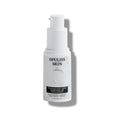
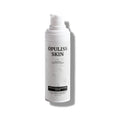
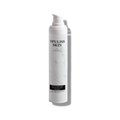
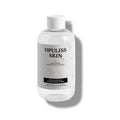
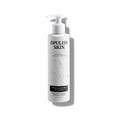
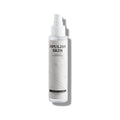
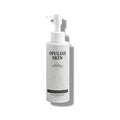
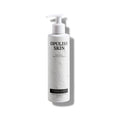
Our Mild Glycolic Exfoliating Toner uses a gentle 3.5 percent glycolic acid for everyday use, to smooth the look of texture and brighten a dull-looking complexion. Apply in the evening to clean skin, follow with moisturizer, and use daily broad-spectrum SPF.
Frequently Asked Questions
Does glycolic acid boost collagen? +
We do not make that claim. Boosting collagen is a structure-function drug claim. Glycolic acid exfoliates the surface and improves the look of smoothness and tone, and that is what we describe.
Will glycolic acid make my skin sensitive to the sun? +
AHAs can increase sun sensitivity. Use daily broad-spectrum SPF 30 or higher while using glycolic and for a week after, and apply it at night.
Is a 3.5 percent glycolic toner strong enough? +
A gentle daily strength is designed for consistent, comfortable use. The clinical studies on AHAs used much higher levels, so we keep our claims to the look of smoother, brighter skin rather than a clinical result.
References
- Ditre CM, Griffin TD, Murphy GF, et al. Effects of alpha-hydroxy acids on photoaged skin: a pilot clinical, histologic, and ultrastructural study. J Am Acad Dermatol. 1996;34(2 Pt 1):187-195. DOI 10.1016/s0190-9622(96)80110-1. PubMed PMID 8642081.
- Smith WP. Epidermal and dermal effects of topical lactic acid. J Am Acad Dermatol. 1996;35(3 Pt 1):388-391. DOI 10.1016/s0190-9622(96)90602-7. PubMed PMID 8784274.
- Cosmetic Ingredient Review Expert Panel. Final report on the safety assessment of glycolic acid and related alpha-hydroxy acids. Int J Toxicol. 1998;17(Suppl 1):1-241. (Basis for the alpha-hydroxy acid sun-sensitivity guidance.)
Citations verified against PubMed on 18 July 2026.
Welcome to The World of Opuliss
The Science of Skincare
Want More Skincare Science?
Join the Opuliss Beauty global community for expert insights, ingredient deep dives, and exclusive offers delivered straight to your inbox.
By subscribing, you'll be tagged as a newsletter subscriber and join our community of skincare enthusiasts.