Hot Showers in Winter: What Water Temperature and Cleanser Choice Change

Hot water raised the skin's water loss and irritation readings in the studies that measured it, and a harsh cleanser adds to the effect. Why lukewarm water and a milder cleanser matter most in winter, and the Opuliss Skin cleansers and body cream for a gentler routine.
Do hot showers dry out skin? In the studies that measured it, yes. Hot water raised the skin's water loss and its redness reading more than cold water did, and a harsh cleanser caused more irritation the warmer the water it was used in. So the shower is one part of winter dryness you control.
A long hot shower is one of the pleasures of winter, and it is also the moment in the day when skin is most exposed to water and cleanser at once. This page sets out what was measured about water temperature and cleansers, and how to keep the ritual without paying for it in dry skin.
What hot water measurably does
A study of healthy volunteers measured the skin before and after exposure to hot and to cold water. After hot water, the skin's water loss reading more than doubled, from 25.75 to 58.58 grams per square metre per hour, its surface pH rose from 6.33 to 6.65, and its redness reading rose too. Cold water raised the water loss reading as well, but by less, to 34.96. The authors concluded that long, continuous water exposure harms the skin's barrier, with hot water more harmful still, and advised cold or lukewarm water for hand washing.1
Why temperature and cleanser add up
An earlier study tested a harsh surfactant, sodium lauryl sulphate, on the forearm at three water temperatures: 4, 20 and 40 degrees C, applied daily for four days. Irritation was higher at the warmer temperatures, measured by water loss, redness, hydration and flaking, and irritation rose in step with temperature.2
That study used a deliberately strong surfactant, but the lesson carries. The cleanser and the water temperature are not two separate choices. A warm shower makes whatever cleanser is used behave more harshly on skin.
What makes a cleanser milder
Cleansers are built either on alkaline soaps or on synthetic detergents, and the synthetic kind causes less irritation and dryness, because it is less inclined to disturb skin proteins.3
A review of cleanser science adds three points. Harsh surfactants can damage skin proteins and lipids, which is the tight, dry feeling after washing. A very alkaline wash can make the outer layer swell, so a cleanser nearer the skin's own mildly acidic pH may be less damaging. And conditioning ingredients added to a cleanser, such as lipids and humectants, can soften the damage and replace some of what washing removes.4
A winter shower that keeps the ritual
- Turn the temperature down, not off. Lukewarm water was the gentler choice in the water study.
- Keep it short. Long, continuous water exposure was what harmed the barrier.
- Use a mild cleanser, and only where it is needed. Cleanser earns its place where skin gets oily or soiled, and the rest of the body needs less.
- Pat dry and moisturise within minutes. A cream applied to skin that is still slightly damp has water to hold.
- Clean the face separately. An oil that turns to milk with water lifts make-up and sunscreen without a foaming surfactant.
Our article on moisturiser for heated and air-conditioned rooms covers the other half of a winter day, and why the skin barrier becomes damaged covers what the barrier is and what supports it.
What the evidence shows and does not
What it shows: hot water raised the skin's water loss and redness readings more than cold water, a harsh surfactant caused more irritation the warmer the water, and synthetic detergents are gentler on skin than alkaline soaps.123
What it does not show: the water studies measured small areas of skin under test conditions, not a whole body in a real shower, and the surfactant study used a deliberately harsh one. Neither tested a finished shower gel, and none of these studies tested the Opuliss products named below. We found no study that timed how soon after a shower a moisturiser should go on, so that step is practical advice rather than a measured one. None of this is a promise about a bottle. It is a way of choosing one.
The Opuliss products for a gentler winter wash
All three are Opuliss Skin products. Each page lists the full ingredients and advises a patch test before first use.
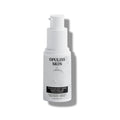
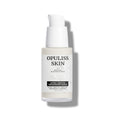
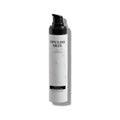
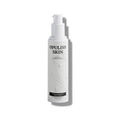
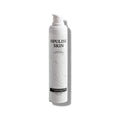
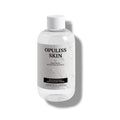
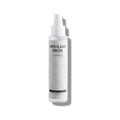
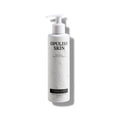
THE GENTLE BODY CLEANSER is a 390 ml body wash on a mild surfactant base with acacia senegal gum, plum fruit extract and linden flower extract. Its page directs it to wet skin in the shower, lathered and massaged gently, then rinsed. It is 98 percent natural origin and vegan eligible.
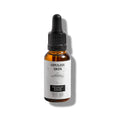
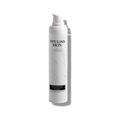
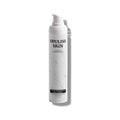
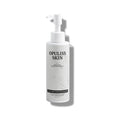
The CHAMOMILE CLEANSING OIL is a 150 ml face cleanser built on caprylic and capric triglyceride and sunflower seed oil. It turns to a rinsable milk with water and is described on its page as surfactant-free. It is 100 percent natural origin and vegan, and its page notes that camomile belongs to the daisy family, for anyone who reacts to those plants.
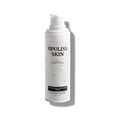
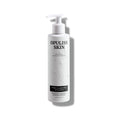
The BOTANICAL PLUM BODY CREAM is a 145 ml body cream on an aloe leaf juice base with cocoa seed butter and shea butter, for the minutes after a shower. It is 99 percent natural origin and vegan eligible.
The ingredient library carries entries for the botanicals named here.
Frequently Asked Questions
Is cold water better for skin than hot water? +
In the study that compared them, cold water also raised the skin's water loss reading, but by less than hot water did. The authors advised cold or lukewarm water, so lukewarm is a comfortable middle ground.
Does the cleanser matter if the shower is short? +
Yes. Irritation from a harsh surfactant rose with water temperature in a controlled study, so a mild cleanser and lukewarm water work together. Synthetic detergents cause less irritation and dryness than alkaline soaps.
Why does skin feel tight after a shower in winter? +
Harsh surfactants can damage the proteins and lipids of the skin's outer layer, which is what the tight, dry feeling after washing is. Hot water adds to that.
Should the face be washed in the shower? +
It can be, with lukewarm rather than hot water. Cleaning the face separately at the basin, with a cleanser made for it, keeps it out of hot running water for the length of a shower.
References
- Herrero-Fernandez M, Montero-Vilchez T, Diaz-Calvillo P, et al. Impact of Water Exposure and Temperature Changes on Skin Barrier Function. J Clin Med. 2022, 11(2). DOI 10.3390/jcm11020298. PubMed PMID 35053992 (Herrero-Fernandez 2022).
- Berardesca E, Vignoli GP, Distante F, et al. Effects of water temperature on surfactant-induced skin irritation. Contact Dermatitis. 1995, 32(2):83-7. PubMed PMID 7758326 (Berardesca 1995).
- Ananthapadmanabhan KP, Moore DJ, Subramanyan K, et al. Cleansing without compromise: the impact of cleansers on the skin barrier and the technology of mild cleansing. Dermatol Ther. 2004, 17 Suppl 1:16-25. PubMed PMID 14728695 (Ananthapadmanabhan 2004).
- Draelos ZD. The science behind skin care: Cleansers. J Cosmet Dermatol. 2018, 17(1):8-14. DOI 10.1111/jocd.12469. PubMed PMID 29231284 (Draelos 2018).