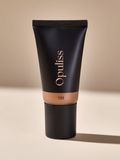
Moisturiser for Heated and Air-Conditioned Rooms
Heated and air-conditioned rooms dry the air, and the skin's outer layer loses water within hours, often without feeling dry. What a moisturiser does about it, what the studies do not show, and two Opuliss day and night pairs for a winter office.
What moisturiser should I use in a heated office in winter? One that pairs a humectant, which draws water up from the deeper skin, with lipids that blend in and slow the water leaving.7 That is glycerin or hyaluronic acid alongside ceramides or plant butters. Wear a lighter cream by day and a richer one at night.
What heated and air-conditioned air does to skin

Air warmed by a heater carries no more water than it held outdoors, but warm air can hold more, so its relative humidity falls. Air conditioning pulls water out of the air as it cools it. A Cochrane review of workplace studies starts from the same point: dry indoor air in the heating season has been linked with dryness symptoms of the skin.1
The skin readings follow the air. In a room held at 25 degrees, skin and eyes measured drier at 30 percent relative humidity and below, and the authors concluded that avoiding that dryness takes a humidity above 30 percent.2 A few hours at low humidity lowered the water content of the stratum corneum, the skin's outermost layer, on the cheek and the forearm, and made the skin's surface texture measure rougher.3
It may not feel dry. In a study that moved women between warm and cool rooms at high and low humidity, facial moisture measured lower in the warm rooms, and in winter the drop under the eyes came without a strong sense of dryness. The authors called this a hidden dry situation.4
Winter also changes the skin itself. Lipids sampled from the outer layer, ceramides included, were sharply lower in winter than in spring and summer at the face, the hands and the legs.5 Those lipids do much of the work of keeping water in the skin, which is the reasoning behind a richer, lipid-based cream in winter.
Air conditioning adds a contradiction. A review of humidity and skin notes dry-skin symptoms in low-humidity air-conditioned rooms,6 yet in the controlled humidity study above, low humidity did not change the skin's oil output.2 That is how skin can feel tight and still look shiny by the afternoon.
What a moisturiser does in dry air

A moisturiser usually blends three kinds of ingredient. Humectants draw water from the deeper skin up into the outer layers. Emollients blend into the outer layer. Occlusives sit on the surface and slow the water leaving.7 On a label those are glycerin and hyaluronic acid, then plant butters, oils and waxes that soften the surface. Most creams combine them, because a humectant holds water and a lipid layer helps keep it there.
Glycerin is on the ingredient list of all five products at the end of this page. A review of its record on skin lists better stratum corneum hydration, barrier function and suppleness among its reported effects, and names dry, cold surroundings as where that added hydration matters most for skin that is already dry.8 The glycerin glossary entry and the multi-weight hyaluronic acid entry cover both humectants.
A day and night routine for a heated office

The most direct test of the office situation is a split-face study run in winter. Healthy women spent at least six hours a day in a heated room, and after six hours their facial skin measured rougher, with more visible pores and fine lines. On the side given a ceramide cream, elasticity, texture, pores and fine lines measured better than on the bare side.9
That points to a simple shape. In the morning, use a moisturiser with a humectant and a light emollient that sits well under sunscreen. In the evening, use a richer cream built on lipids, since the outer layer's own lipids run lower in winter.5 Some plant oils have their own record: in a forearm study in adults, sunflower seed oil applied twice a day for four weeks kept the outer layer intact and improved hydration, while olive oil on the other forearm did the opposite, reducing the outer layer's integrity and bringing mild redness.10 The ceramide night cream below lists sunflower seed oil, and its olive entry is an unsaponifiable fraction rather than the whole oil tested there.
If an air-conditioned room leaves your skin shiny by mid-afternoon, choose a lighter, matte-finish texture by day and keep the richer cream for night. Humid heat outdoors is a different problem, covered in the summer oil control guide.
Face mists are the other question. The mist study cited here used a device: in a room air-conditioned to 24 degrees and 35 percent humidity, water nanodroplets released for two hours left facial skin measurably softer than no mist. The skin's water reading did not differ, while water loss held steady under the mist where it fell without it, which the authors read as water reaching the outer layer.11 A few sprays from a bottle is a different thing, so a mist belongs under a moisturiser, not in place of one.
What the evidence shows and does not
What it shows: low humidity lowers the outer layer's water content within hours,3 winter lowers its lipids,5 and one ceramide cream measured better than bare skin in a heated room.9
What it does not show: the skin measurement studies are mostly small and short, and each was run in one country. Four of them, the ceramide study among them, come from company research laboratories. That study's abstract does not name its ceramide, so its result belongs to that cream alone. The wider literature does not point one way either: a review calls it inconclusive, with some evidence that low humidity can improve the skin's barrier readings.6
Humidifiers show the mix most clearly. In a Finnish office building, weeks with the air humidified to 30 to 40 percent were compared with weeks at the building's natural 20 to 30 percent, and workers' diaries scored dryness symptoms lower in the humidified weeks, though that score combined skin, eyes, throat and nose.12 A Cochrane review of workplace studies concluded that humidifying the air may have little to no effect on dryness of the eyes, skin and airways, on low or very low certainty evidence, and found humidified air was rated stuffier.1
None of these studies tested an Opuliss product. For what dries the barrier beyond the weather, see why the skin barrier gets damaged and what actually helps.
The Opuliss products for heated and air-conditioned rooms

Two day and night pairs suit most heated and air-conditioned offices: the two red algae creams, with no added fragrance, or the light matte day cream with the ceramide night cream. Each moisturiser here is 50 ml and lists glycerin.
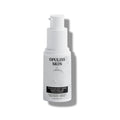
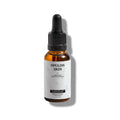
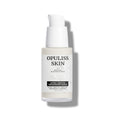
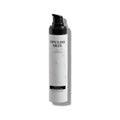
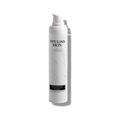
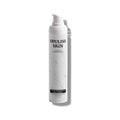
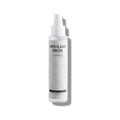
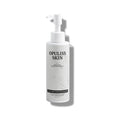
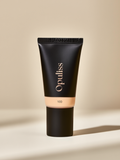
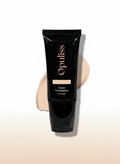
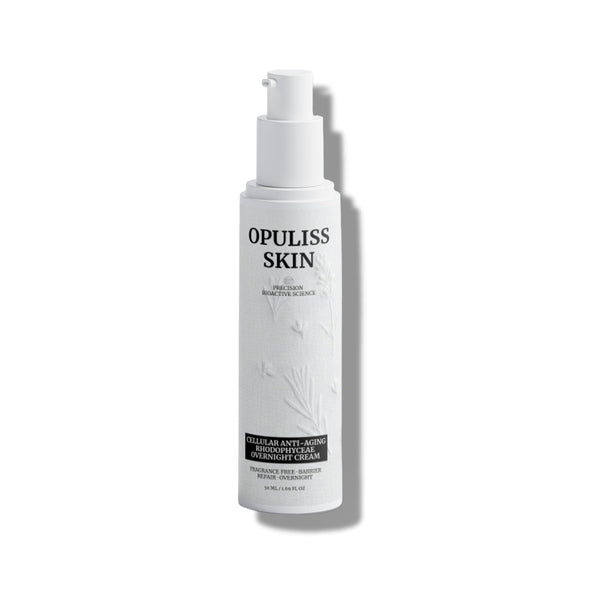
The RHODOPHYCEAE HYDRATION MOISTURISER is for morning and evening and sits under sunscreen. It is built on Hydrolyzed Rhodophyceae Extract, a red algae oligosaccharide humectant, with multi-weight hyaluronic acid and wild mango kernel butter over an aloe leaf juice base with jojoba seed oil, at 100 percent natural origin, vegan eligible, with no added fragrance. For night, the RHODOPHYCEAE OVERNIGHT CREAM pairs the same red algae extract and multi-weight hyaluronic acid with mango seed butter, at 99 percent natural origin, vegan eligible, with no added fragrance.
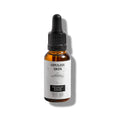
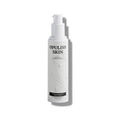
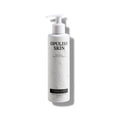
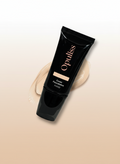
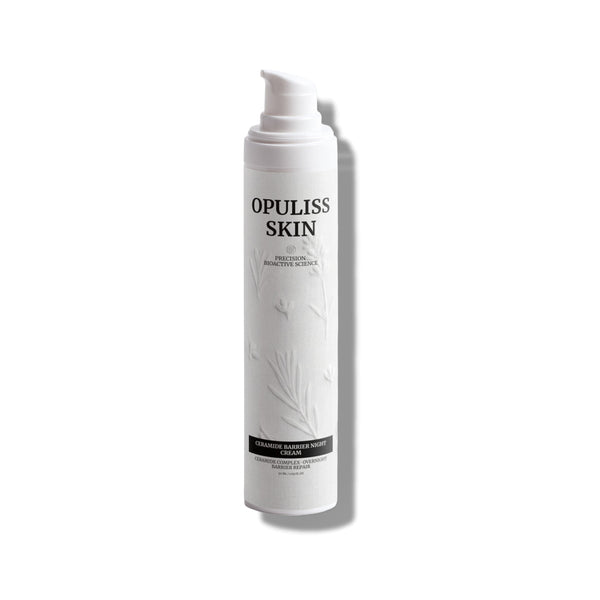
The CERAMIDE BARRIER NIGHT CREAM carries a natural ceramide complex of glycosphingolipids and glycolipids with sodium hyaluronate, in a base of cocoa butter, jojoba and sunflower seed oils with shea butter. Its page states 99 percent natural origin and vegan eligible, and its ingredient list includes Parfum along with linalool and limonene. The ceramide complex entry covers its hero ingredient.
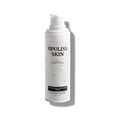
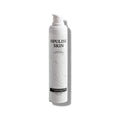
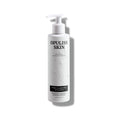
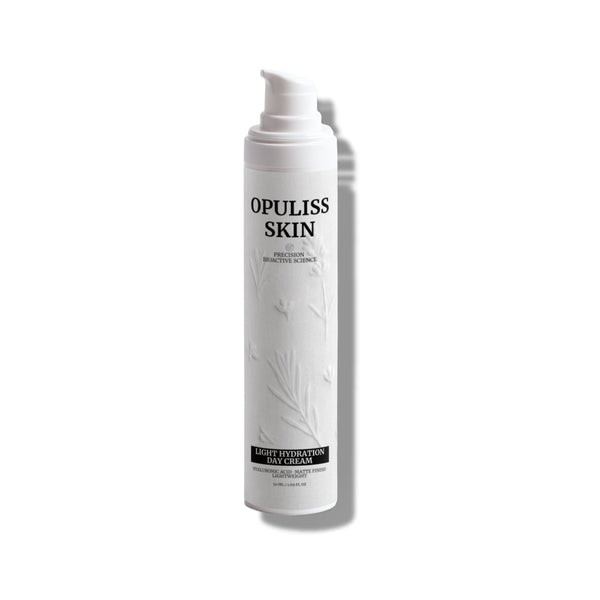
For the day in an air-conditioned room, the LIGHT HYDRATION DAY CREAM is the matte-finish option: multi-weight hyaluronic acid with argan kernel oil, bisabolol and aloe leaf juice, made to sit under sunscreen and make-up. Its page states 99 percent natural origin and vegan, and lists Parfum with limonene, citronellol, linalool, geraniol and citral, so it is not for anyone avoiding fragrance.
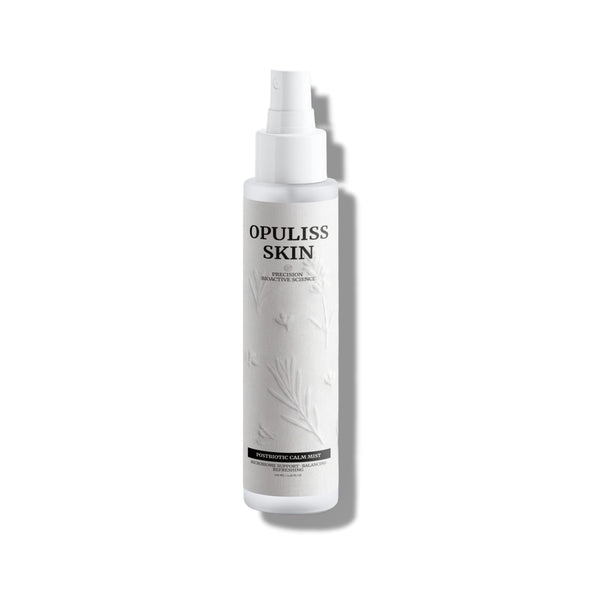
The POSTBIOTIC CALM MIST is a 100 ml mist of Lactobacillus ferment lysate, a rhamnose, glucose and glucuronic acid prebiotic complex, and multi-weight hyaluronic acid, with glycerin, at 99 percent natural origin and vegan eligible. It lists alcohol second and Parfum third, so use it under a moisturiser, not as one. The moisturiser finder matches a cream to your skin type.
Frequently Asked Questions
Can a heated office dry my skin even if it does not feel dry? +
Yes. In the warm and cool room study above, facial moisture measured lower in the warm rooms in winter without a strong feeling of dryness. Moisturise by routine rather than by feel.
Do face mists hydrate, or make skin drier? +
The one mist study on this page used a device, not a bottle, and it did not measure whether a bottle mist leaves skin drier as it evaporates. Use a mist under a moisturiser, and read its ingredient list first.
Should I use a humidifier at my desk? +
The evidence is mixed. One office trial found fewer dryness symptoms in humidified weeks, but a Cochrane review found humidifying workplace air may make little to no difference to skin dryness. A moisturiser works on the skin itself.
Why does my skin feel tight in air conditioning but still look shiny? +
Low humidity dries the skin's outer layer, but in a controlled humidity study it did not change the skin's oil output. So a lighter, matte-finish cream by day and a richer one at night suits that pattern.
References
- Byber K, Radtke T, Norbäck D, et al. Humidification of indoor air for preventing or reducing dryness symptoms or upper respiratory infections in educational settings and at the workplace. Cochrane Database Syst Rev. 2021;12(12):CD012219. DOI 10.1002/14651858.CD012219.pub2. PubMed PMID 34891215 (Byber 2021).
- Sunwoo Y, Chou C, Takeshita J, et al. Physiological and subjective responses to low relative humidity. J Physiol Anthropol. 2006;25(1):7-14. DOI 10.2114/jpa2.25.7. PubMed PMID 16617203 (Sunwoo 2006).
- Egawa M, Oguri M, Kuwahara T, Takahashi M. Effect of exposure of human skin to a dry environment. Skin Res Technol. 2002;8(4):212-218. DOI 10.1034/j.1600-0846.2002.00351.x. PubMed PMID 12423539 (Egawa 2002).
- Egawa M, Koizumi K, Hirao T. Changes in facial moisture distribution and feelings of moisture/dryness among various environmental temperatures and humidities in summer and winter. Skin Res Technol. 2020;26(6):937-948. DOI 10.1111/srt.12898. PubMed PMID 32602641 (Egawa 2020).
- Rogers J, Harding C, Mayo A, et al. Stratum corneum lipids: the effect of ageing and the seasons. Arch Dermatol Res. 1996;288(12):765-770. DOI 10.1007/BF02505294. PubMed PMID 8950457 (Rogers 1996).
- Goad N, Gawkrodger DJ. Ambient humidity and the skin: the impact of air humidity in healthy and diseased states. J Eur Acad Dermatol Venereol. 2016;30(8):1285-1294. DOI 10.1111/jdv.13707. PubMed PMID 27306376 (Goad 2016).
- Rajkumar J, Chandan N, Lio P, Shi V. The Skin Barrier and Moisturization: Function, Disruption, and Mechanisms of Repair. Skin Pharmacol Physiol. 2023;36(4):174-185. DOI 10.1159/000534136. PubMed PMID 37717558 (Rajkumar 2023).
- Fluhr JW, Darlenski R, Surber C. Glycerol and the skin: holistic approach to its origin and functions. Br J Dermatol. 2008;159(1):23-34. DOI 10.1111/j.1365-2133.2008.08643.x. PubMed PMID 18510666 (Fluhr 2008).
- Park EH, Jo DJ, Jeon HW, Na SJ. Effects of winter indoor environment on the skin: Unveiling skin condition changes in Korea. Skin Res Technol. 2023;29(6):e13397. DOI 10.1111/srt.13397. PubMed PMID 37357654 (Park 2023).
- Danby SG, AlEnezi T, Sultan A, et al. Effect of olive and sunflower seed oil on the adult skin barrier: implications for neonatal skin care. Pediatr Dermatol. 2013;30(1):42-50. DOI 10.1111/j.1525-1470.2012.01865.x. PubMed PMID 22995032 (Danby 2013).
- Ohno H, Nishimura N, Yamada K, et al. Effects of water nanodroplets on skin moisture and viscoelasticity during air-conditioning. Skin Res Technol. 2013;19(4):375-383. DOI 10.1111/srt.12056. PubMed PMID 23590637 (Ohno 2013).
- Reinikainen LM, Jaakkola JJ, Seppänen O. The effect of air humidification on symptoms and perception of indoor air quality in office workers: a six-period cross-over trial. Arch Environ Health. 1992;47(1):8-15. DOI 10.1080/00039896.1992.9935938. PubMed PMID 1540009 (Reinikainen 1992).
Shop the article
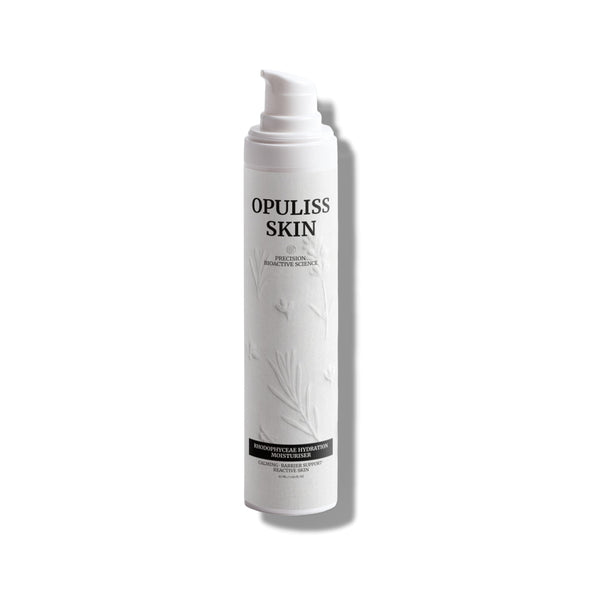
 RHODOPHYCEAE HYDRATION MOISTURISERCalms and hydrates reactive skin with red algae.$281.00
 RHODOPHYCEAE OVERNIGHT CREAMStrengthens the barrier overnight, fragrance-free.$281.00
 CERAMIDE BARRIER NIGHT CREAMStrengthens the barrier overnight with ceramides.$281.00
 LIGHT HYDRATION DAY CREAMHydrates with a lightweight, matte finish.$281.00