How to Find the Product Your Skin Is Reacting To, One Change at a Time

Change one thing at a time. Pause the recent additions, let skin settle, then bring products back one by one, testing each on the inner forearm twice a day for up to a week first. How common reactive skin is, the method behind the forearm test, and its honest limits.
How do you find out which skincare product your skin is reacting to? By changing one thing at a time. Pause the recent additions, let skin settle, then bring products back one by one, testing each on the inner forearm twice a day for up to a week first. It is slow, but it points at one product.
When skin starts to sting, itch or redden, the instinct is to change everything at once. That can calm things down, but it leaves no way of knowing which product was responsible. This page sets out a method that does, where it comes from, and what it can and cannot tell you.
How common reactive skin is
Very common, at least as people describe it themselves. A review that pooled published surveys from 18 countries found that 71 percent of adults described their skin as sensitive to some degree, and 40 percent as very or moderately sensitive. Women reported it more often than men, at 45 against 33 percent. The authors cautioned that questionnaires may overestimate it.1
An expert group defined sensitive skin as unpleasant sensations, such as stinging, burning, tingling or itching, in response to things that should not normally provoke them, which no visible skin problem explains. The skin can look normal or a little red, and the face is where it is felt most often.2 That definition matters for this method, because it means the signal to watch is often a sensation rather than something you can see.
Why one change at a time
A routine of five products has five suspects, and each carries many ingredients. Changing everything at once can end the discomfort, but it also removes the evidence. Reintroducing one product at a time, with a few days between each, is the only way the timing of a reaction points at a single product.
- Pause. Stop every product added in the last few weeks, and keep only a plain cleanser and a simple moisturiser you have used before without trouble.
- Settle. Wait until skin has been comfortable for about a week before changing anything else.
- Test on the forearm first. Apply the product you want to bring back to the same small patch on the inner forearm, near the elbow crease, twice a day for up to seven days.
- Bring it back to the face. If the patch stays calm, use the product normally for several days before reintroducing the next one.
- Write it down. A note of the product, the date and what you felt is what makes the pattern visible.
Where the forearm test comes from
The forearm step is a home version of the repeated open application test, described in 1986. In the original method, the substance was applied twice a day for seven days to the inner forearm near the elbow crease, stopping earlier if a reaction appeared. They found it picked up reactions that a standard patch test had left doubtful, and recommended it be used more often.3
A later overview of these use tests adds two cautions. In about half of cases where a formal patch test looked reliable, a use test came back clear, which the authors suggested was because open application had not reached the threshold needed to trigger a response. And skin reacts very differently from one part of the body to another.4 So a calm forearm is encouraging, and the face still deserves a careful start.
When to stop and see a dermatologist
This method is for mild stinging, tightness or redness that settles when a product is stopped. If a reaction is severe, blisters, spreads beyond where a product was applied, or does not settle within a few days of stopping, stop using the product and see a dermatologist, who can run formal patch tests.
If fragrance is among your suspects, our articles on fragrance and sensitised skin and how to read the fragrance line on a label explain what to look for on a list.
What the evidence shows and does not
What it shows: most adults describe their skin as sensitive to some degree, sensitive skin is defined by sensations rather than visible signs, and the repeated open application test is a recognised way of checking a substance in the way it is actually used.123
What it does not show: the forearm test can miss reactions, since use tests came back clear in about half of cases where a formal patch test was positive, and the forearm is not the face.4 The survey figures describe what people report, not what was measured on their skin. None of this is a promise about a bottle. It is a way of testing one.
The Opuliss products for a quiet baseline
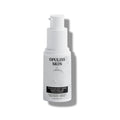
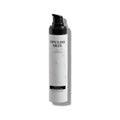
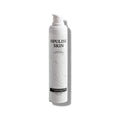
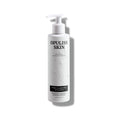
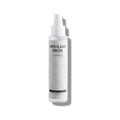
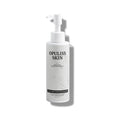
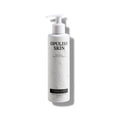
A short, familiar baseline makes the method work. All three are Opuliss Skin products with no added fragrance, and each page lists the full ingredients and advises a 24 hour patch test before first use.
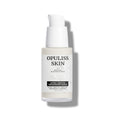
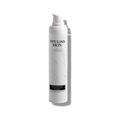
The RHODOPHYCEAE OVERNIGHT CREAM is a 50 ml overnight moisturiser built on hydrolysed red algae extract, mango seed butter and multi-weight hyaluronic acid. It is 99 percent natural origin and vegan eligible. The RICH NOURISHING COCOA BUTTER CREAM is a 50 ml rich cream led by cocoa seed butter and argan kernel oil. It is 99 percent natural origin and vegan eligible.
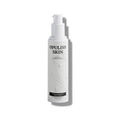
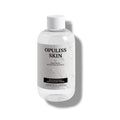
The BOTANICAL SOOTHING HYALURONATE BIPHASIC REMOVER is a 100 ml two-phase make-up remover with Sodium Hyaluronate and Tocopherol. It is 99 percent natural origin and vegan eligible. Its page notes that it contains camomile, from the daisy plant family, which is exactly the kind of detail to check if your skin has reacted to plants in that family before.
Frequently Asked Questions
How long should I test a new product on my arm? +
The repeated open application test applies a product twice a day for seven days to the same patch on the inner forearm, stopping earlier if a reaction appears. A 24 hour test is a quicker first check, and the week-long version is more thorough.
If a product is fine on my arm, will it be fine on my face? +
Not always. Skin reacts differently from one part of the body to another, so a clear arm test is encouraging and the face can still react. Start on the face gradually and keep a note.
Why not just stop everything and start again? +
Stopping everything can calm skin, but it tells you nothing about which product caused the reaction. Bringing products back one at a time is what lets the timing point at one of them.
Is sensitive skin always red? +
No. An expert definition describes it as stinging, burning, tingling or itching that nothing visible explains, and notes the skin can look entirely normal. The sensation is often the only sign.
References
- Chen W, Dai R, Li L. The prevalence of self-declared sensitive skin: a systematic review and meta-analysis. J Eur Acad Dermatol Venereol. 2020, 34(8):1779-1788. DOI 10.1111/jdv.16166. PubMed PMID 31869523 (Chen 2020).
- Misery L, Ständer S, Szepietowski JC, et al. Definition of Sensitive Skin: An Expert Position Paper from the Special Interest Group on Sensitive Skin of the International Forum for the Study of Itch. Acta Derm Venereol. 2017, 97(1):4-6. DOI 10.2340/00015555-2397. PubMed PMID 26939643 (Misery 2017).
- Hannuksela M, Salo H. The repeated open application test (ROAT). Contact Dermatitis. 1986, 14(4):221-7. PubMed PMID 2941220 (Hannuksela 1986).
- Nakada T, Hostynek JJ, Maibach HI. Use tests: ROAT (repeated open application test)/PUT (provocative use test): an overview. Contact Dermatitis. 2000, 43(1):1-3. PubMed PMID 10902580 (Nakada 2000).