Jojoba Oil: What This Wax Ester Really Does
Discover how jojoba oil's unique wax ester structure mimics natural sebum to balance oil production, hydrate skin, and prevent both dryness and excess oiliness. Learn the science behind this desert botanical and how it works for all skin types.
What does jojoba oil do for skin? Jojoba is a lightweight, non-greasy emollient that absorbs cleanly and conditions the skin. It is technically a liquid wax, chemically similar to the skin's own surface oils, which is why it feels so light. What it does not do is regulate how much oil your skin produces. Here is the honest picture, and the popular myth worth correcting.
Jojoba is a genuinely elegant emollient sold on a mechanism it does not have. At Opuliss, we use it for its light, clean feel and describe it honestly.
What is jojoba, actually?

Jojoba oil (Simmondsia chinensis seed oil) is unusual: despite the name, it is not a typical oil but a liquid wax ester. Its structure is close to the wax esters in the skin's own surface lipids, which is why it absorbs cleanly and feels light rather than greasy. That skin-similar chemistry is a genuine, interesting fact about the ingredient.
What does jojoba honestly do?
Jojoba is a light, fast-absorbing emollient. It conditions and softens, leaves no greasy residue, and because it feels so light, it suits oily and combination skin as well as dry skin. That clean, non-greasy feel is the honest reason people reach for it. It is a physical property, and there is no efficacy claim to cite.
What is the sebum myth?

Because jojoba is chemically similar to sebum, it is widely sold as an oil that balances or regulates sebum production, tricking the skin into making less oil. That is the leap we will not make. Being similar to sebum is an identity fact; it is not evidence that jojoba changes how much oil your skin produces. There is no good evidence for that, so we do not claim it.
What will we not claim?
Beyond the sebum claim, you will see jojoba sold as anti-inflammatory, as a driver of cellular repair, and as non-comedogenic. Those are drug claims or claims that need testing data we do not hold. Jojoba is a lightweight, skin-similar emollient. That is the honest description.
How does jojoba fit into your ritual?

Jojoba works as a light conditioning oil that layers well without heaviness, a good final step for skin that wants softness without grease. Use it as the lightweight emollient in a routine, and let your targeted, cited actives carry any corrective work.


Frequently Asked Questions
Does jojoba oil control or balance oil production? +
No. Jojoba is chemically similar to skin's own oils, but that does not mean it regulates how much oil your skin makes. We describe it honestly as a light, non-greasy emollient, not an oil regulator.
Is jojoba oil non-comedogenic? +
We do not claim non-comedogenic without documented testing. Jojoba is light and absorbs cleanly, which many people with oily or combination skin find comfortable, so patch test and see how your skin responds.
Is jojoba good for oily skin? +
Its light, non-greasy feel suits oily and combination skin. That is a feel benefit, not a claim that it reduces oil production.
Welcome to The World of Opuliss
The Science of Skincare
Want More Skincare Science?
Join the Opuliss Beauty global community for expert insights, ingredient deep dives, and exclusive offers delivered straight to your inbox.
By subscribing, you'll be tagged as a newsletter subscriber and join our community of skincare enthusiasts.
Shop the article



 THE RADIANCE BODY OILNourishes and adds luminous glow with rosehip and argan.$110.00
 HYDRATING BODY SERUM SANDALWOODHydrates body skin with hyaluronic acid.$240.00
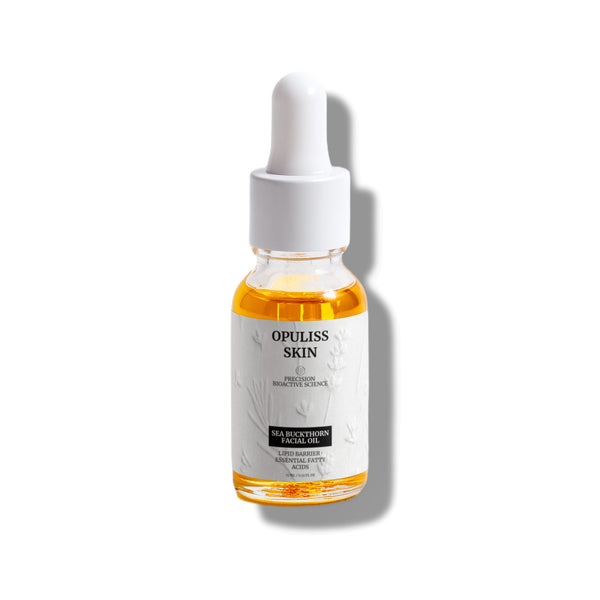
 SEA BUCKTHORN FACIAL OILNourishes and strengthens the barrier with sea buckthorn.$148.00
 CELLULAR ANTI-AGING BAKUCHIOL RENEWAL OILSmooths and evens tone with gentle bakuchiol.$295.00