Niacinamide: What Vitamin B3 Really Does for Skin
Discover why niacinamide (Vitamin B3) is one of the most versatile and effective skincare ingredients. Learn how this powerhouse ingredient controls oil, minimizes pores, brightens skin, reduces hyperpigmentation, and works for every skin type with science-backed benefits and expert application tips.
What does niacinamide actually do for skin? Niacinamide, a form of vitamin B3, is one of the few ingredients with real clinical evidence for the look of an even tone, refined texture, and a more balanced, less shiny complexion. It is also gentle and well tolerated. Here is what the studies actually show, at the honest, appearance-level strength they support.
Niacinamide is a genuine workhorse, which is exactly why it gets over-claimed. At Opuliss, we lead with the strongest evidence and keep the language to what those studies measured.
What Is Niacinamide?
Niacinamide is the amide form of vitamin B3, a small, stable, water-soluble ingredient that most skin tolerates well. It is one of the better-studied cosmetic actives, with several controlled clinical studies at the 5% level that our formula uses. That match matters: it means the research speaks to the concentration in the product, not a different one.
What Does the Research Honestly Show?
In a controlled clinical study, 5% niacinamide significantly reduced the appearance of hyperpigmentation and increased skin lightness compared with a vehicle after four weeks.1 In two further 12-week, double-blind, split-face studies at 5%, it significantly improved the look of fine lines and wrinkles, uneven texture, red blotchiness, and sallowness (yellowing), with measured gains in elasticity.2,3
Topical 5% niacinamide provided "a broad array of improvements in the appearance of aging facial skin."2
That is a strong, honest basis for positioning niacinamide around the look of even tone, refined texture, and firmer-looking skin.
What About Oil and Shine?
Niacinamide has also been studied for oily skin. In a controlled study, topical niacinamide lowered measured sebum in one test group, though the effect varied by population.4 We keep this claim modest and honest: niacinamide can help skin look less shiny and more balanced. We do not attach a specific percentage to it, because the published study did not report one.
What Is the Honest Caveat?
Niacinamide is well tolerated. Safety reviews find it does not sting at concentrations up to 10% and does not irritate at 5%, and it is not a known sensitizer. That said, gentle is not the same as hypoallergenic, a term we avoid. If your skin is reactive, patch test on the inner forearm first.
How Does Niacinamide Fit Into Your Opuliss Ritual?
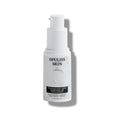
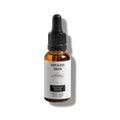
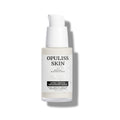
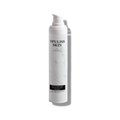
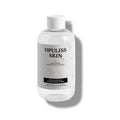
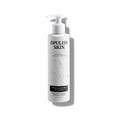
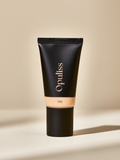
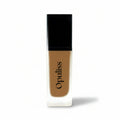
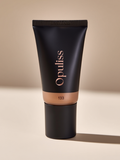
Our Niacinamide Skin Balancing Gel pairs 5% niacinamide with a light, oil-free gel base, for the look of even tone and a balanced, comfortable finish. Apply to clean skin morning or evening. It layers well under moisturizer and, in the daytime, under broad-spectrum SPF.
Frequently Asked Questions
Does niacinamide control oil? +
Niacinamide has been studied for sebum and can help skin look less shiny and more balanced.4 We frame it as the appearance of balanced oil, not as a claim to regulate how much oil your skin produces.
Can niacinamide fade dark spots? +
In clinical testing, 5% niacinamide reduced the appearance of hyperpigmentation and improved skin lightness versus a control.1 It supports the look of a more even tone over time, used consistently.
Is niacinamide gentle enough for daily use? +
Yes. Safety reviews support daily use with a low irritation profile at the levels used in skincare. Sensitive skin should still patch test a new product first.
References
- Hakozaki T, Minwalla L, Zhuang J, et al. The effect of niacinamide on reducing cutaneous pigmentation and suppression of melanosome transfer. Br J Dermatol. 2002;147(1):20-31. DOI 10.1046/j.1365-2133.2002.04834.x. PubMed PMID 12100180.
- Bissett DL, Oblong JE, Berge CA. Niacinamide: a B vitamin that improves aging facial skin appearance. Dermatol Surg. 2005;31(7 Pt 2):860-865. DOI 10.1111/j.1524-4725.2005.31732. PubMed PMID 16029679.
- Bissett DL, Miyamoto K, Sun P, Li J, Berge CA. Topical niacinamide reduces yellowing, wrinkling, red blotchiness, and hyperpigmented spots in aging facial skin. Int J Cosmet Sci. 2004;26(5):231-238. DOI 10.1111/j.1467-2494.2004.00228.x. PubMed PMID 18492135.
- Draelos ZD, Matsubara A, Smiles K. The effect of 2% niacinamide on facial sebum production. J Cosmet Laser Ther. 2006;8(2):96-101. DOI 10.1080/14764170600717704. PubMed PMID 16766489.
Citations verified against PubMed on 18 July 2026.
Welcome to The World of Opuliss
The Science of Skincare
Want More Skincare Science?
Join the Opuliss Beauty global community for expert insights, ingredient deep dives, and exclusive offers delivered straight to your inbox.
By subscribing, you'll be tagged as a newsletter subscriber and join our community of skincare enthusiasts.