What Sea Buckthorn Does for Skin, and Which Part of the Berry Does It
Sea buckthorn reaches skin as two different ingredients, a berry oil and a fruit extract. What each one carries, what the studies measured, and which Opuliss products use it.
What does sea buckthorn oil do for skin? It conditions and softens. The berry gives two different cosmetic ingredients: a lipid oil pressed from the pulp, and a water soluble fruit extract carrying flavonoids, polyphenols and vitamin C. Opuliss uses both, in different formulas, and the fruit extract, the one this page is about, has published studies on skin barrier and sebum.
Most pages about sea buckthorn blur the two together, which is how a reading measured on one ends up attached to the other. This page keeps them apart, names the studies, and says what they did not measure.
What sea buckthorn actually is

Sea buckthorn is Hippophae rhamnoides, a thorny shrub whose small orange berries grow across northern Europe and Asia. On an ingredient label it appears under three names, and they are not the same ingredient. Hippophae Rhamnoides Fruit Oil is the lipid pressed from the berry pulp. Hippophae Rhamnoides Seed Oil is pressed from the seed. Hippophae Rhamnoides Fruit Extract is the water soluble fraction of the whole fruit, and it is the one this page is about.
A composition study of extracts from the whole berry, the pulp and the seed found the fruit rich in flavonoids and other polyphenols alongside naturally occurring vitamin C, and measured the antioxidant capacity of each fraction separately.1 In the European cosmetic ingredient database the fruit extract is listed as a skin conditioning agent. It is not a vitamin and it is not an acid. It is a botanical extract with a measured antioxidant profile, and that is the honest starting point.
How it works

Two small human trials from the same research group looked at the fruit extract on its own, without a second plant paired with it, which is what makes them usable here.
In the first, a cream carrying 5 percent sea buckthorn fruit extract was applied to the skin of healthy adults for twelve weeks and compared with the same cream without the extract. The skin's barrier function reading improved with the extract and not with the base.2 The barrier is the outermost layer that holds water in and keeps irritants out, so a better barrier reading is what a person feels as skin that stays comfortable for longer.
In the second, a formula with 1 percent concentrated fruit extract was applied for eight weeks. Sebum on the skin surface fell measurably against the base formula.3 That is the reading behind the phrase "studied for skin sebum balance", and it is a cosmetic reading about how much oil sits on the surface, nothing more.
The antioxidant description comes from a different kind of study. Fruit from several sea buckthorn cultivars was tested in laboratory assays that measure how well a sample neutralises free radicals, and the flavonoid and polyphenol content tracked the antioxidant capacity.4 That is a property of the plant material, and it is why the extract is described as helping to protect the appearance of skin from environmental stress. It was measured in fruit, not on faces, and the page says so.
What the evidence shows and does not

What it shows: two barrier and sebum readings for the fruit extract, each from one concentration in one formula, and a laboratory antioxidant profile that follows the fruit's polyphenol content. A published review of the plant's traditional and dermatological uses gathers the wider literature, most of which is laboratory work.5
What it does not show: any human study that isolates sea buckthorn on wrinkles, on pigmentation, or on any skin condition. The same research group ran further trials, but those paired sea buckthorn with a second plant extract in one cream, so their readings belong to the pair and not to sea buckthorn alone. Nothing here transfers between preparations either. A reading taken on the fruit extract says nothing about the berry oil, and a reading on the oil says nothing about the extract. And anything you have read about sea buckthorn as a food or a supplement is about eating it, which is a different route into a different organ.
None of this is a promise about a bottle. It is what the published record supports, which is the standard every ingredient page on this site is held to. If you want the checklist we use, it is in how to tell if a luxury skincare brand is actually science-backed.
The Opuliss products that use it

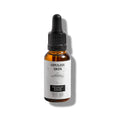
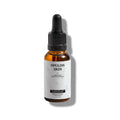
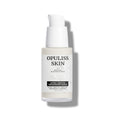
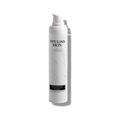
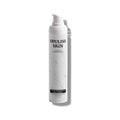
The SEA BUCKTHORN FACIAL OIL is a dry-finish facial oil made for dry skin, in a 15 ml size and a SEA BUCKTHORN FACIAL OIL 30 ml size. The name is worth reading carefully: the oil base is borage, argan, avocado, almond and apricot kernel oils, and the sea buckthorn in it is the fruit extract, alongside cloudberry, blueberry seed oil and tomato fruit extract. The formula is 100 percent natural origin and vegan eligible.
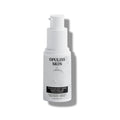
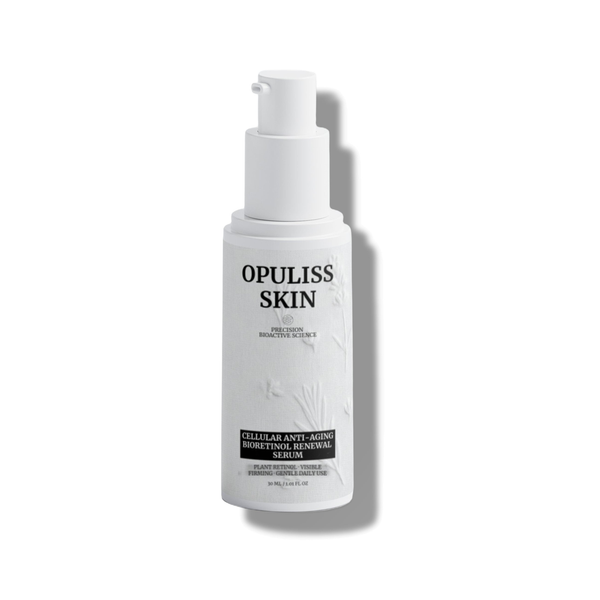
The fruit extract also sits in the CELLULAR ANTI-AGING BIORETINOL SERUM, a serum built around Bidens pilosa extract, where sea buckthorn is a supporting ingredient rather than the hero.
The fruit extract glossary entry and the fruit oil glossary entry carry each ingredient's regulatory listing, and the moisturiser finder places the facial oil in a routine by skin type.
Frequently Asked Questions
Is sea buckthorn oil the same as sea buckthorn fruit extract? +
No. The oil is the lipid pressed from the berry pulp and works as an emollient. The fruit extract is the water soluble fraction carrying flavonoids, polyphenols and vitamin C. Opuliss uses both, in different formulas, and the studies on this page were run on the fruit extract.
Is sea buckthorn good for oily skin? +
One small eight week trial of a 1 percent fruit extract formula measured less sebum on the skin surface than the base formula. That is a cosmetic reading from a single study, and the Opuliss product that carries the extract is a facial oil made for dry skin, so the finder is the better guide for oily skin.
Does sea buckthorn help with the look of fine lines? +
No published human study isolates sea buckthorn on wrinkles, and this page will not imply one. Its measured readings are barrier function, surface sebum and laboratory antioxidant capacity.
Is sea buckthorn suitable for sensitive skin? +
The fruit extract is a botanical, so patch test any product carrying it on the inner forearm for 24 hours before the first full use, which is the same advice we give for every plant extract on the site.
References
- Shi L, Zheng L, Zhao C, et al. Chemical composition and antioxidant capacity of extracts from the whole berry, pulp and seed of Hippophae rhamnoides ssp. yunnanensis. Nat Prod Res. 2019;33(24):3596-3600. DOI 10.1080/14786419.2018.1488703. PubMed PMID 30445840 (Shi 2019).
- Khan BA, Akhtar N. Hippophae rhamnoides oil-in-water (O/W) emulsion improves barrier function in healthy human subjects. Pak J Pharm Sci. 2014;27(6):1919-1922. PubMed PMID 25362595 (Khan 2014).
- Akhtar N, Khan BA, Khan MS, et al. Formulation and evaluation of antisebum secretion effects of sea buckthorn w/o emulsion. J Pharm Bioallied Sci. 2010;2(1):13-17. DOI 10.4103/0975-7406.62698. PubMed PMID 21814424 (Akhtar 2010).
- Tkacz K, Wojdyło A, Turkiewicz IP, et al. Anti-Oxidant and Anti-Enzymatic Activities of Sea Buckthorn (Hippophae rhamnoides L.) Fruits Modulated by Chemical Components. Antioxidants (Basel). 2019;8(12):618. DOI 10.3390/antiox8120618. PubMed PMID 31817215 (Tkacz 2019).
- Pundir S, Garg P, Dviwedi A, et al. Ethnomedicinal uses, phytochemistry and dermatological effects of Hippophae rhamnoides L.: A review. J Ethnopharmacol. 2021;266:113434. DOI 10.1016/j.jep.2020.113434. PubMed PMID 33017636 (Pundir 2021).
Shop the article
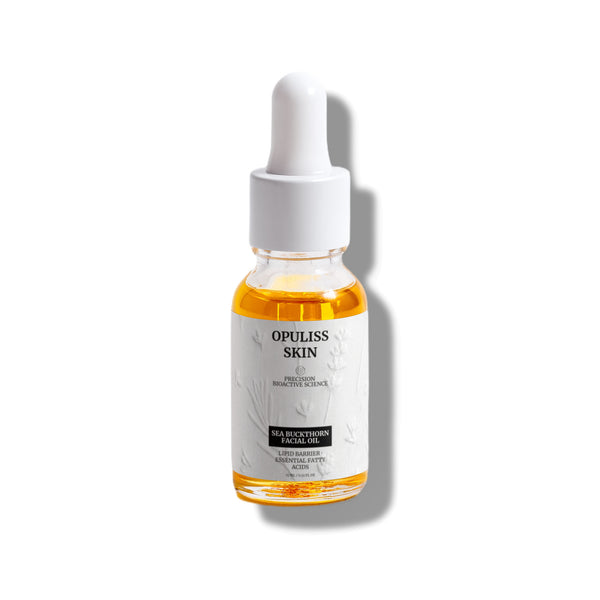
 SEA BUCKTHORN FACIAL OILNourishes and strengthens the barrier with sea buckthorn.$148.00
 CELLULAR ANTI-AGING BIORETINOL SERUMBuilt on Bidens Pilosa, a plant alternative to retinol.$325.00