Shea Butter: What It Really Does for Skin
What does shea butter do for skin? Shea butter is a rich occlusive emollient. It forms a protective film on the skin's surface that softens, smooths, and helps skin hold moisture and feel comfortable. What it does not do is repair the barrier at the molecular level or build collagen. Here is what it actually does.
Shea is one of the most comforting emollients in skincare, and one of the most over-claimed. At Opuliss, we use it for its rich, cushioning feel and describe it at exactly that level.
What is shea butter, actually?

Shea butter (Butyrospermum parkii) is a soft, rich plant butter pressed from the shea tree nut. It is a classic occlusive emollient: applied to skin, it lays down a protective lipid film that slows moisture loss and leaves skin feeling soft, smooth, and cushioned.
What does it honestly do?
Shea softens and smooths, comforts, and helps the skin hold moisture. It creates a protective film on the surface, which supports the skin's moisture barrier the way an occlusive layer does: by sitting on top and slowing water loss. That is a physical property of a rich butter, and it is the honest description.
Note the careful wording. Shea supports the barrier as a protective surface film. It does not rebuild or repair the barrier's internal structure, which would be a different, and unsupported, claim.
What will we not claim?

You will see shea sold as a butter that repairs the barrier at the molecular level, regenerates skin, and boosts collagen. Those are structure-function and drug claims, and the honest evidence does not support them. Shea is a comforting emollient. It comforts and protects the surface; it does not repair skin at the molecular level.
How does shea butter fit into your ritual?
Shea earns its place as the rich, occlusive emollient in a moisturizer, best for dry or comfort-seeking skin and for the evening, when a cushioning finish is welcome. Use it as the nourishing, protective layer of a routine, and let your targeted, cited actives do the corrective work.


Frequently Asked Questions
Does shea butter repair the skin barrier? +
We do not make that claim. Shea supports the barrier as a protective, occlusive film on the surface. Repairing or rebuilding the barrier's structure is a drug-level claim the evidence does not support.
Does shea butter build collagen or reverse aging? +
No. Those are structure-function claims we do not make. Shea is a rich emollient that softens, smooths, and comforts the skin.
Is shea butter good for sensitive or dry skin? +
Shea is well tolerated and comforting for dry skin. Shea comes from a seed kernel; if you have a tree-nut allergy or reactive skin, patch test first.
Welcome to The World of Opuliss
The Science of Skincare
Want More Skincare Science?
Join the Opuliss Beauty global community for expert insights, ingredient deep dives, and exclusive offers delivered straight to your inbox.
By subscribing, you'll be tagged as a newsletter subscriber and join our community of skincare enthusiasts.
Shop the article


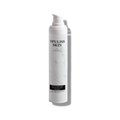
 BOTANICAL PLUM BODY CREAMComforts and nourishes skin with plum antioxidants.$90.00
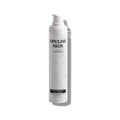
 KOJIC ACID BRIGHTENING EXFOLIATORBrightens and polishes uneven tone with kojic acid.$100.00
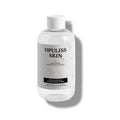
 ARGAN BOTANICAL CLEANSING MILKCleanses gently and preserves the barrier with argan.$110.00
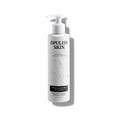
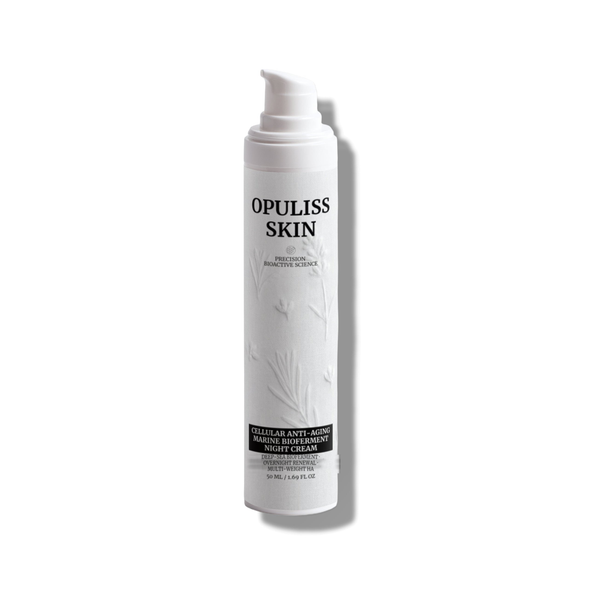
 CELLULAR ANTI-AGING Marine bioferment Night CreamRenews and replenishes skin overnight.$281.00