Vitamin E: The Antioxidant, Not a Sunscreen
Discover why Vitamin E is the ultimate antioxidant protector for your skin. Learn how tocopherol and tocopheryl acetate defend against free radicals, support the skin barrier, reduce inflammation, and work synergistically with other ingredients for healthy, protected skin.
What does vitamin E do for skin? Vitamin E (tocopherol) is the skin's major oil-phase antioxidant and a conditioning emollient. It helps defend the look of skin against everyday environmental stress and helps skin feel soft and comfortable. What it is not is a sunscreen. Here is the honest picture, and the one claim we refuse to make.
Vitamin E is a genuinely useful antioxidant that is often oversold as a shield. At Opuliss, we use it for its real strengths and are clear about its limits.
What is vitamin E, actually?
Vitamin E (tocopherol) is a fat-soluble vitamin and the skin's major antioxidant in its oil phase, concentrated in the outer skin layer.1 Cosmetic safety reviewers classify it as functioning in cosmetics as an antioxidant and a skin-conditioning agent.2 In plain terms, it is a protective antioxidant that also conditions and softens skin.
What does it honestly do?
Vitamin E gives antioxidant support: it helps neutralize the reactive molecules that everyday environmental stress generates, helping defend the look of skin over time. As an emollient, it also conditions and softens, helping skin feel comfortable and supple. Those are the honest, well-supported roles for vitamin E.
Is vitamin E a sunscreen?
You will see vitamin E sold as a UV shield or sun protection. It is not. Vitamin E is an antioxidant, not a sunscreen; it has no SPF, and on its own it is quickly used up by sun exposure. It does not replace a broad-spectrum SPF, and we will never imply that it does. It works best as a daily antioxidant alongside sun protection, not instead of it.
What else will we not claim?
Beyond the sunscreen line, you will see vitamin E sold as a healer that regenerates and repairs damaged skin. Those are drug-level claims, and the honest evidence does not support them for vitamin E, especially on its own. It is an antioxidant and an emollient, and that is how we describe it.
How does vitamin E fit into your ritual?
Use vitamin E as a daily antioxidant and conditioning step, morning or evening, and always pair your daytime routine with a broad-spectrum SPF. It pairs naturally with vitamin C, which helps keep it working.
Frequently Asked Questions
Does vitamin E protect against the sun? +
No. Vitamin E is an antioxidant, not a sunscreen. It has no SPF and is quickly depleted by sun exposure, so it does not replace a broad-spectrum SPF.
Does vitamin E heal or regenerate skin? +
We do not make those claims. Healing and regeneration are drug-level claims the evidence does not support for vitamin E. It is an antioxidant and a conditioning emollient.
Is vitamin E good for dry skin? +
As an emollient antioxidant, it conditions and softens and helps skin feel comfortable. Patch test first if your skin is reactive.
References
- Thiele JJ, Schroeter C, Hsieh SN, Podda M, Packer L. The antioxidant network of the stratum corneum. Curr Probl Dermatol. 2001;29:26-42. DOI 10.1159/000060651. PubMed PMID 11225199.
- Fiume MM, Bergfeld WF, Belsito DV, et al. Safety assessment of tocopherols and tocotrienols as used in cosmetics. Int J Toxicol. 2018;37(2_suppl):61S-94S. DOI 10.1177/1091581818794455. PubMed PMID 30235959.
Citations verified against PubMed on 19 July 2026.
Welcome to The World of Opuliss
The Science of Skincare
Want More Skincare Science?
Join the Opuliss Beauty global community for expert insights, ingredient deep dives, and exclusive offers delivered straight to your inbox.
By subscribing, you'll be tagged as a newsletter subscriber and join our community of skincare enthusiasts.
Shop the article



 CELLULAR ANTI-AGING BAKUCHIOL RENEWAL OILSmooths and evens tone with gentle bakuchiol.$295.00
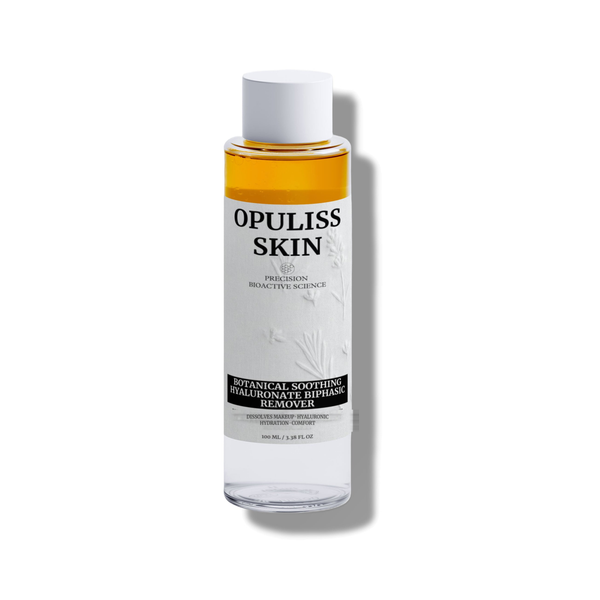
 BOTANICAL SOOTHING HYALURONATE BIPHASIC REMOVERDissolves makeup and hydrates with hyaluronic acid.$60.00
 HIGH GLOSS CONDITIONERSmooths and adds high-gloss shine to hair.$65.00
 KOJIC ACID BRIGHTENING EXFOLIATORBrightens and polishes uneven tone with kojic acid.$100.00