AHAs: What Exfoliating Acids Do, and at What Strength
How glycolic and lactic acid loosen dull surface cells for a smoother looking texture, the strengths the studies used against the strengths in our bottles, and how to use them with daily sun protection.
What do AHAs actually do? Alpha hydroxy acids loosen the bonds between dull surface cells so skin sheds them more readily, which supports a smoother, brighter looking texture. What we will not claim is that they work at the cellular level or reverse ageing. Here is what the research actually shows, including the concentrations the studies actually used and the ones in our bottles.
Exfoliation is one of the genuinely well-established cosmetic mechanisms, which makes AHAs worth explaining precisely rather than overselling. At Opuliss, the number that matters most is the one most brands leave out: the concentration.
What are AHAs, actually?
Alpha hydroxy acids are water-soluble acids, most commonly glycolic acid and lactic acid. Applied to skin they loosen the bonds between dead surface cells, supporting the skin's own exfoliation process. The Cosmetic Ingredient Review describes AHAs as functioning as exfoliants in consumer and salon use, and also as pH adjusters and skin conditioning agents.1
What does the research show, and at what strength?
Concentration is the whole story with AHAs, and it is where a lot of marketing quietly borrows. In one controlled study, participants applied a lotion containing 25 percent glycolic, lactic or citric acid to one forearm and a placebo lotion to the other for an average of six months. The treated skin showed approximately a 25 percent increase in thickness, with a thicker epidermis and increased collagen density on biopsy.2
A separate study tested lactic acid at 5 percent and 12 percent, applied twice daily for three months. The 12 percent concentration increased epidermal and dermal firmness and thickness and improved the appearance of lines and wrinkles. At 5 percent no dermal changes were observed, though surface and epidermal improvements were still seen.3
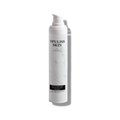
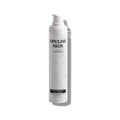
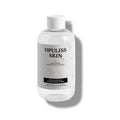
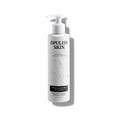
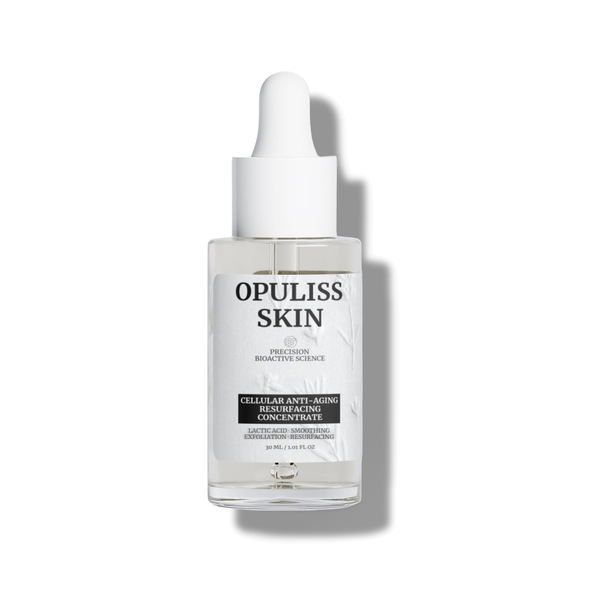
Note what those studies were: one used a 25 percent lotion on forearm skin over six months, the other used 5 and 12 percent twice daily for three months. Our Mild Glycolic Exfoliating Toner is 3.5 percent glycolic acid, well below either, so we describe it at the ingredient and appearance level rather than claiming those clinical results for it. Our Resurfacing Concentrate is 10 percent lactic acid at pH 4.0 to 4.2, which sits within the consumer range the safety assessment describes but still below the 12 percent arm above.
What will we not claim?
You will see AHAs sold as transforming skin, working at the cellular level, reversing signs of ageing, repairing sun damage, or treating acne. Those are drug claims or unsupported absolutes, and we make none of them. We also do not attach collagen-boosting language to our AHA products, because a study on a 25 percent lotion is not evidence for a 3.5 percent toner.
How do you use AHAs safely?
Sun sensitivity is the real caution here, and it is why sun protection guidance appears on AHA labels. Using an AHA can make skin more sensitive to the sun, including a greater likelihood of burning. Wear daily broad-spectrum sun protection and protective clothing, and limit sun exposure while using the product and for about a week after you stop. The safety assessment that sets the consumer concentration limits makes daily sun protection an explicit condition of safe use.1
The Cosmetic Ingredient Review concluded that glycolic and lactic acid, their common salts and their simple esters, are safe in cosmetic products at concentrations up to 10 percent at a final formulation pH of 3.5 or higher, when formulated to avoid increasing sun sensitivity or when directions for use include the daily use of sun protection. Higher concentrations up to 30 percent at lower pH are addressed separately as salon products for brief, discontinuous use, applied by trained professionals and rinsed thoroughly from the skin.1
In practice: apply your AHA in the evening, start two or three times a week rather than daily, and patch test first. Avoid layering an AHA with a retinoid or a BHA in the same routine. Scale back if you get burning, lasting redness, or irritation that does not settle. Stinging that persists is a signal to use it less often, not to push through.
If your skin is prone to visible redness or reacts easily, approach AHAs cautiously or skip them. Strength and frequency matter more than which acid you choose.
Frequently Asked Questions
Do AHAs thin the skin? +
The measured effect was the opposite. The 25 percent AHA lotion increased skin thickness by roughly a quarter,2 and lactic acid at 12 percent increased epidermal and dermal thickness.3 Neither study found thinning. The genuine caution with AHAs is sun sensitivity, which is why the sun protection guidance is on the label.
Glycolic or lactic acid, which should I use? +
Both are well studied and the answer is that strength and frequency matter more than the choice between them. What the evidence does show is that concentration drives the result: lactic acid produced dermal changes at 12 percent but not at 5 percent.3 If you are new to acids, start low and infrequent whichever you pick.
Will an AHA reverse my sun damage? +
No, and we will not claim it. Repairing sun damage is a drug claim. What AHAs support is the appearance of smoother texture and a more even tone, and the most useful thing you can pair them with is daily sun protection.
References
- Cosmetic Ingredient Review Expert Panel. Final Report on the Safety Assessment of Glycolic Acid and Lactic Acid, their common salts and their simple esters. Int J Toxicol. 1998;17(Suppl 1). Safety assessment, not an efficacy study.
- Ditre CM, Griffin TD, Murphy GF, et al. Effects of alpha-hydroxy acids on photoaged skin: a pilot clinical, histologic, and ultrastructural study. J Am Acad Dermatol. 1996;34(2 Pt 1):187-195. DOI 10.1016/s0190-9622(96)80110-1. PubMed PMID 8642081.
- Smith WP. Epidermal and dermal effects of topical lactic acid. J Am Acad Dermatol. 1996;35(3 Pt 1):388-391. DOI 10.1016/s0190-9622(96)90602-7. PubMed PMID 8784274.
Citations verified against PubMed on 19 July 2026.
Welcome to The World of Opuliss
The Science of Skincare
Want More Skincare Science?
Join the Opuliss Beauty global community for expert insights, ingredient deep dives, and exclusive offers delivered straight to your inbox.
By subscribing, you'll be tagged as a newsletter subscriber and join our community of skincare enthusiasts.
Shop the article

 MILD GLYCOLIC EXFOLIATING TONERSmooths and refines texture with 3.5% glycolic acid.$150.00
 CELLULAR ANTI-AGING RESURFACING CONCENTRATESmooths and resurfaces with lactic acid.$325.00