Alteromonas Ferment and Red Algae: What the Marine Actives in a Cream Were Tested For
Alteromonas ferment extract and hydrolysed red algae extract are the marine actives in the four Opuliss creams on this page. What each one is, whether it was tested on cells, skin samples or people, which other products carry the ferment, and where the published evidence is thin.
What is Alteromonas ferment extract in skincare? It is the extract of a ferment made with Alteromonas, a marine bacterium, some strains of which come from deep-sea hydrothermal vents. The research concerns the large sugar polymer, or polysaccharide, these bacteria release. The European ingredient database lists it as a skin conditioning agent.
This page covers it and a second marine active, hydrolysed red algae extract, as they appear in the four Opuliss creams below, and sorts the published work by what was actually tested: skin cells in a dish, samples of skin, or people.
What Alteromonas ferment extract actually is

Alteromonas is a genus of marine bacteria. In 1996 researchers described a strain collected from fluid near an active deep-sea hydrothermal vent as a new subspecies of Alteromonas macleodii. Grown on glucose, it released an unusually large polysaccharide made of glucose, mannose, galactose and two sugar acids, about as viscous in solution as xanthan gum, a familiar cosmetic thickener.1
The name on a label does not say which strain was used. The European database defines Alteromonas Ferment Extract simply as the extract of the product obtained by fermenting Alteromonas. When researchers screened bacteria from deep-sea vents for these polymers, Alteromonas was among the main producers, and the polysaccharides they made had distinct structures.2 Two products listing the same name may not carry the same polymer.
A 2023 review notes that several bacterial polysaccharides are already sold as skincare ingredients, valued for their biological properties and for the texture they give a formula.3 On Opuliss product pages the ingredient is also called a marine bioferment.
What hydrolysed red algae extract is

In two Opuliss creams the ingredient list reads Hydrolyzed Rhodophyceae Extract. Rhodophyceae is the class name for red seaweeds. The European database defines the ingredient as the hydrolysate of an extract of red algae, broken down by acid, enzyme or another method, and it records no cosmetic function for it.
Many red seaweeds are built from gelling polysaccharides such as agar and carrageenan, and hydrolysis cuts these into shorter sugar fragments. The laboratory studies below each tested one purified fragment, not a whole extract. A 2025 review of seaweed ingredients for skin adds a caution: what an alga contains varies with its species, where it grew and the season, which makes results hard to reproduce and standardise.4
What each was tested on: cells, skin samples or people

Concentrations are given where the study states them.
Alteromonas polysaccharides
- Tested on skin cells in a dish. A marine bacterial polysaccharide from the microbial mats of a lagoon in French Polynesia, at a concentration of 0.001 percent, reduced lipid oxidation in skin cells exposed to UVB light by 28 percent.5
- Tested on skin samples. On skin samples exposed to pollution, the same polysaccharide at 0.03 percent lowered malondialdehyde, a marker of lipid oxidation, by 44 percent.5
- Tested on people, alone. A water solution with 0.02 percent, applied to the forearm before fine iron particles, formed a film that limited how many particles stuck, measured against a placebo solution. Used at 0.01 percent in a rinse afterwards, it trapped particles and lifted them off the skin.5
- Tested on people, in a blend. A face cream combining carnosine, Alteromonas ferment extract, a hyaluronic acid crosspolymer and a tripeptide was applied twice a day for 56 days. Skin measured 12 percent more hydrated, 29 percent firmer and 20 percent more elastic than at the start.6
The polysaccharide study's abstract does not name the bacterium, though PubMed's subject index files it under Alteromonas, and its authors work for a cosmetic ingredient company. The cream study was open-label with no comparison cream, tested four actives together, and three of its four authors work for a skincare company, so its readings belong to that formula.
Red algae sugars and extracts
- Tested on skin cells and reconstructed skin. 3,6-anhydro-L-galactose, one of the main sugars in red seaweed carbohydrates, raised the amount of hyaluronic acid made by human skin cells. The rise also showed in a three-dimensional model of reconstructed human skin.7
- Tested on skin cells in a dish. A four-sugar fragment of kappa-carrageenan, tested on skin cells exposed to fine particulate pollution, bound the metal ions the particles carried and lowered oxidative stress in the cells.8
- Tested on people, in a blend. Palmaria palmata, a red seaweed, was used in a gel-cream with spirulina, chicory and alfalfa extracts. On the forearm over 30 days the blend caused no change in the skin's water loss reading, and no discomfort or visible reaction.9
- Tested on people, a different red alga. In a double-blind trial against a placebo and a hyaluronic acid comparison, an extract of Porphyridium, a microscopic red alga, improved measures of skin plumpness, hydration and radiance.10
The last is the only double-blind trial on this page. Its authors work for a cosmetic ingredient company, and a label reading Hydrolyzed Rhodophyceae Extract does not say which red alga it came from, so its result cannot be matched to the creams below.
What the evidence shows and does not
What it shows: a polysaccharide filed under Alteromonas that formed a particle-limiting film on the forearm, and red seaweed sugars that raised hyaluronic acid or eased pollution stress in skin cells.578 Each result belongs to the material and concentration tested.
What it does not show, on the PubMed searches run for this page in September 2026: any human study of Alteromonas ferment extract on its own that measured hydration, fine lines or the comfort of sensitive-feeling skin, and any human study of hydrolysed red algae extract on its own. None of the four product pages below gives the percentage of either ingredient. The Algae Extract in the night cream names no genus or species, so no study can be matched to it. And a result from a dish or a skin sample describes what a material did under test conditions, not what a finished cream does on a face.
None of this is a promise about a bottle. It is what the published record supports. If you want the checklist we use to read claims like these, it is in how to tell if a luxury skincare brand is actually science-backed.
The Opuliss products that use them

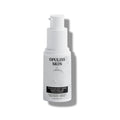
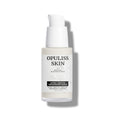
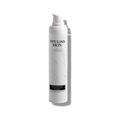
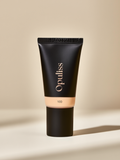
The CELLULAR ANTI-AGING PROTECTIVE DAY CREAM pairs Alteromonas ferment extract with lingonberry, black currant and elder flower extracts and multi-weight hyaluronic acid, in 15 ml and 50 ml sizes. It is 100 percent natural origin, 21 percent organic origin and vegan eligible. Its ingredient list declares Parfum, and the page names four fragrance compounds: benzyl salicylate, limonene, citral and linalool.
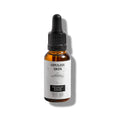
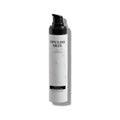
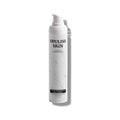
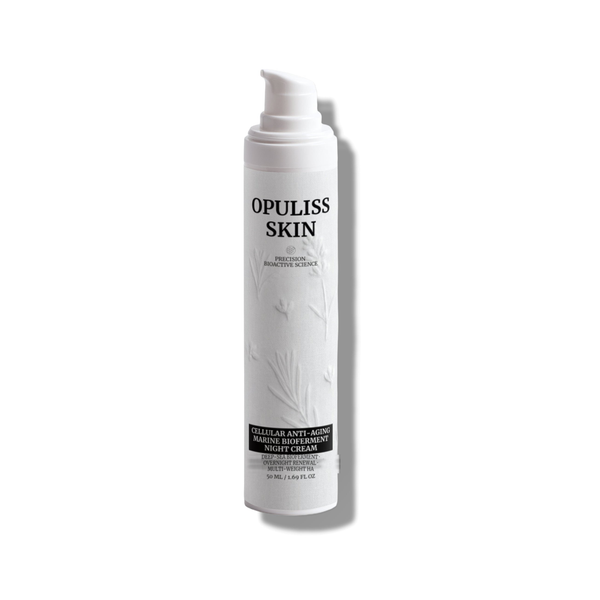
The CELLULAR ANTI-AGING MARINE BIOFERMENT NIGHT CREAM is a 50 ml overnight cream that carries Alteromonas ferment extract with Algae Extract, watercress and elder fruit extracts and multi-weight hyaluronic acid, on a cocoa butter and sunflower seed oil base. It is 99 percent natural origin, 26 percent organic origin and vegan eligible. Its ingredient list declares Parfum/Fragrance, and the page names linalyl acetate, terpineol and vanillin.
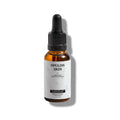
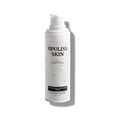
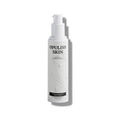
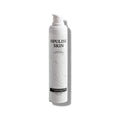
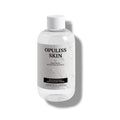
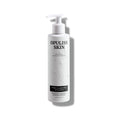
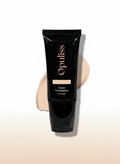
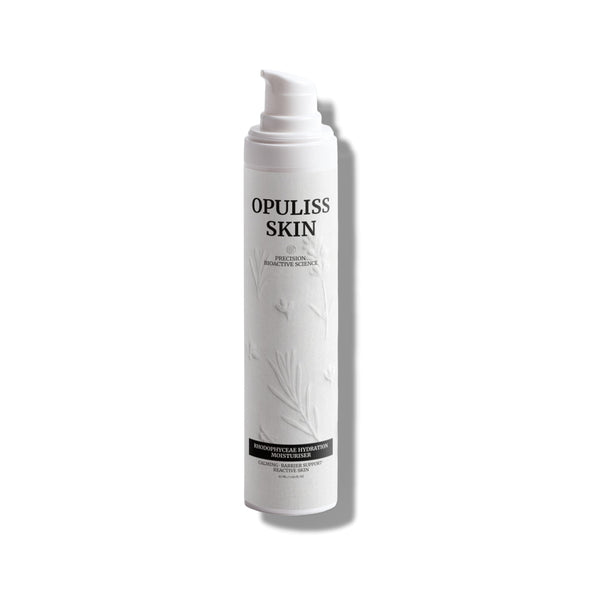
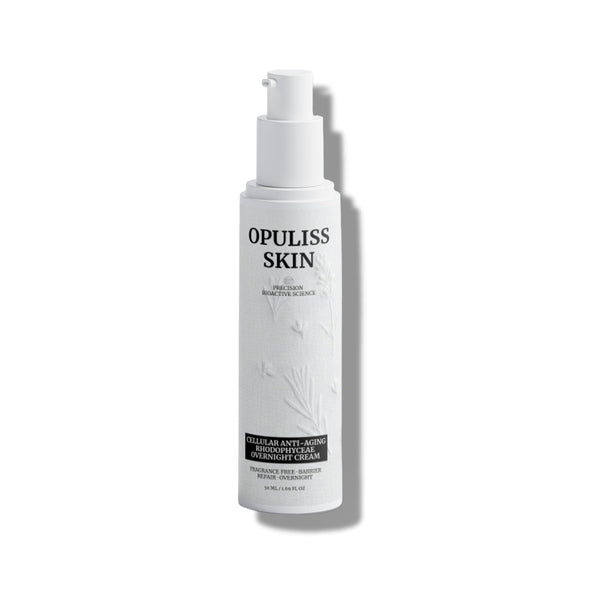
The RHODOPHYCEAE HYDRATION MOISTURISER is a 50 ml daily moisturiser with no added fragrance, built on hydrolysed red algae extract, wild mango kernel butter and multi-weight hyaluronic acid. It is 100 percent natural origin, 22 percent organic origin and vegan eligible. The RHODOPHYCEAE OVERNIGHT CREAM is a 50 ml overnight cream with no added fragrance, pairing Hydrolyzed Rhodophyceae Extract with mango seed butter and multi-weight hyaluronic acid. It is 99 percent natural origin, 42 percent organic origin and vegan eligible. Both pages say the creams are formulated for dry and sensitive skin.
These four are not the whole of it. Three more Opuliss Skin products carry Alteromonas ferment extract in their ingredient lists, each declaring Parfum: CELLULAR ANTI-AGING BIORETINOL DAILY CREAM, CELLULAR ANTI-AGING BIORETINOL EYE SERUM and ROSE WATER HYDRATING SERUM.
Hyaluronic acid runs through all four, and how it holds water is covered in hyaluronic acid: hydration where skin can use it. The moisturiser finder matches a moisturiser to your skin in four questions, and the ingredient library carries a short entry for each of these.
Frequently Asked Questions
Is marine bioferment the same as Alteromonas ferment extract? +
On Opuliss product pages, yes. Marine bioferment is the descriptive name those pages use, and Alteromonas Ferment Extract is the ingredient list name, which is the one to compare between products.
Is Alteromonas ferment extract a probiotic? +
It is not described as one. The European ingredient database defines it as the extract of the product obtained by fermenting Alteromonas, and the published work on it concerns the polysaccharide the bacteria release, not bacteria living on skin.
What does red algae extract do in a moisturiser? +
In laboratory work, a red seaweed sugar raised the hyaluronic acid skin cells made, and a carrageenan fragment eased pollution stress in cells. No human study found for this page tests hydrolysed red algae extract alone.
Does Alteromonas ferment extract help with the look of fine lines? +
No human study found for this page tests it alone on lines. The one cream study naming it measured firmer, more elastic skin, but it tested four actives together with no comparison cream.
Which of these creams has no added fragrance? +
Of the four creams on this page, the RHODOPHYCEAE HYDRATION MOISTURISER and the RHODOPHYCEAE OVERNIGHT CREAM both state no added fragrance, and neither ingredient list shows Parfum. The two with Alteromonas ferment extract both list Parfum, and each product page names its fragrance compounds.
References
- Raguenes G, Pignet P, Gauthier G, et al. Description of a new polymer-secreting bacterium from a deep-sea hydrothermal vent, Alteromonas macleodii subsp. fijiensis, and preliminary characterization of the polymer. Appl Environ Microbiol. 1996;62(1):67-73. DOI 10.1128/aem.62.1.67-73.1996. PubMed PMID 8572714 (Raguenes 1996).
- Delbarre-Ladrat C, Salas ML, Sinquin C, et al. Bioprospecting for Exopolysaccharides from Deep-Sea Hydrothermal Vent Bacteria: Relationship between Bacterial Diversity and Chemical Diversity. Microorganisms. 2017;5(3):63. DOI 10.3390/microorganisms5030063. PubMed PMID 28930185 (Delbarre-Ladrat 2017).
- Benhadda F, Zykwinska A, Colliec-Jouault S, et al. Marine versus Non-Marine Bacterial Exopolysaccharides and Their Skincare Applications. Mar Drugs. 2023;21(11):582. DOI 10.3390/md21110582. PubMed PMID 37999406 (Benhadda 2023).
- Bogdan C, Molnar M, Dima EI, et al. Marine Macroalgae in Topical Formulations: Bioactive Compounds, Variability, Analytical Challenges and Skin Benefits. Pharmaceutics. 2025;17(9):1143. DOI 10.3390/pharmaceutics17091143. PubMed PMID 41012480 (Bogdan 2025).
- Borel M, Lamarque E, Loing E. Unique natural exopolysaccharides for biomimetic protective effect against urban pollution. J Cosmet Sci. 2017;68(1):126-132. PubMed PMID 29465393 (Borel 2017).
- Garre A, Martinez-Masana G, Piquero-Casals J, et al. Redefining face contour with a novel anti-aging cosmetic product: an open-label, prospective clinical study. Clin Cosmet Investig Dermatol. 2017;10:473-482. DOI 10.2147/CCID.S148597. PubMed PMID 29180884 (Garre 2017).
- Lee JE, Kim YA, Yu S, et al. 3,6-Anhydro-L-galactose increases hyaluronic acid production via the EGFR and AMPKα signaling pathway in HaCaT keratinocytes. J Dermatol Sci. 2019;96(2):90-98. DOI 10.1016/j.jdermsci.2019.10.005. PubMed PMID 31718895 (Lee 2019).
- Zhu C, Hong T, Li H, et al. κ-Carrageenan tetrasaccharide ameliorates particulate matter-induced defects in skin hydration of human keratinocytes cells and skin barrier disorders. Int J Biol Macromol. 2025;301:140395. DOI 10.1016/j.ijbiomac.2025.140395. PubMed PMID 39880261 (Zhu 2025).
- Campos PMBGM, Benevenuto CG, Calixto LS, et al. Spirulina, Palmaria Palmata, Cichorium Intybus, and Medicago Sativa extracts in cosmetic formulations: an integrated approach of in vitro toxicity and in vivo acceptability studies. Cutan Ocul Toxicol. 2019;38(4):322-329. DOI 10.1080/15569527.2019.1579224. PubMed PMID 30821523 (Campos 2019).
- Havas F, Krispin S, Cohen M, et al. Hyaluronic Acid-like Skin Plumping and Radiance Benefits of a Porphyridium Sulfated Exopolysaccharide- and Natural PDRN-Rich Extract. Mar Drugs. 2026;24(3):99. DOI 10.3390/md24030099. PubMed PMID 41892958 (Havas 2026).
Shop the article
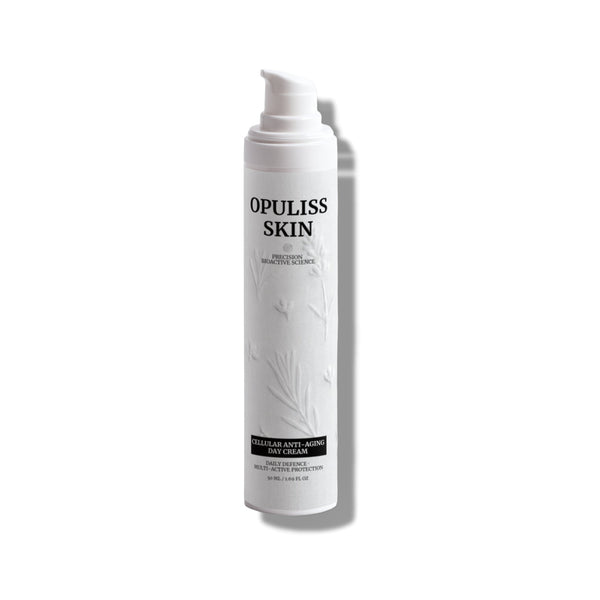
 CELLULAR ANTI-AGING PROTECTIVE DAY CREAMDefends and hydrates against daily environmental stress.$281.00
 CELLULAR ANTI-AGING Marine bioferment Night CreamRenews and replenishes skin overnight.$281.00
 RHODOPHYCEAE HYDRATION MOISTURISERCalms and hydrates reactive skin with red algae.$281.00
 RHODOPHYCEAE OVERNIGHT CREAMStrengthens the barrier overnight, fragrance-free.$281.00