Hyaluronic Acid: Hydration Where Skin Can Use It
Discover how Hyaluronic Acid binds up to 6 liters of water per gram, plumps the dermis, and creates multi-layered hydration for dewy, resilient skin. Learn the science behind this powerful humectant.
Hyaluronic acid is the most dependable humectant in skincare, and one of the most over-promised. Applied to skin it draws and holds water at the surface and in the upper layers, leaving skin supple and comfortable. It does not reach the dermis, and it does not replace the hyaluronic acid the deeper skin loses over time. Here is what it actually does, and where the evidence stops.
At Opuliss, we use hyaluronic acid for genuine surface hydration and describe it honestly, at the surface and in the upper layers of the skin, never "to the dermis."
What Is Hyaluronic Acid?
Hyaluronic acid is a glycosaminoglycan, a long sugar molecule the skin makes naturally that binds and holds water with unusual efficiency. In the body it is a major part of the extracellular matrix, and its natural levels begin to fall from around the age of 25.3 That decline is real, but it happens in the deeper skin, where a topical product does not reach. That is the first thing to be clear about.
How Does It Actually Work on Skin?
Applied to skin, hyaluronic acid draws and holds water in the outer layers, the stratum corneum and the upper epidermis, leaving the surface supple, smooth and comfortable. How far it travels depends on molecular weight. In human skin studied by Raman spectroscopy, low-molecular-weight hyaluronic acid (roughly 20 to 300 kDa) passed through the stratum corneum, while high-molecular-weight hyaluronic acid (1000 to 1400 kDa) stayed on the surface.1
We say hyaluronic acid works at the surface and in the upper layers of the skin. We do not say it reaches the dermis, because the evidence does not support that for a topical product. A multi-weight formula is simply a way to hydrate at more than one depth at once.
| Molecular weight | Where it acts on skin |
|---|---|
| Low, roughly 20 to 300 kDa | Passes through the stratum corneum to hydrate within the upper layers |
| High, roughly 1000 to 1400 kDa | Stays on the surface, holding water at the very top of the skin |
What Does the Evidence Show?
In a 60-day randomized controlled trial, 76 women applied 0.1% hyaluronic acid creams of five molecular weights around the eye. Every weight improved skin hydration and elasticity against a placebo, and the two lowest weights (50 and 130 kDa) also measurably reduced the depth of periocular wrinkles, an effect the authors linked to the better penetration of the smaller molecules.2 A broader review of topical hyaluronic acid reached the same practical conclusion: it is well tolerated and effective for improving skin hydration and the visible signs of aging.3
The honest read: topical hyaluronic acid is a genuine, well-evidenced hydrator that improves how skin feels and looks at the surface. It is not a replacement for the hyaluronic acid lost in the deeper skin over time, and it does not fill the dermis.
How Do You Use It Well?
Hyaluronic acid is a humectant, so it works best on damp skin and sealed with a moisturizer, especially in dry air. It layers comfortably under most routines.
Is It Safe?
Hyaluronic acid and its salts are assessed as safe as used in cosmetics by the Cosmetic Ingredient Review.4 It is well tolerated across skin types, including sensitive skin.
Frequently Asked Questions
Does topical hyaluronic acid reach the dermis? +
No. It works at the surface and in the upper layers of the skin, the stratum corneum and the upper epidermis. The evidence does not support a topical product reaching the dermis, and the natural decline in hyaluronic acid happens in the deeper skin where a topical product does not reach.
Does molecular weight actually matter? +
Yes. In human skin studied by Raman spectroscopy, low-molecular-weight hyaluronic acid (roughly 20 to 300 kDa) passed through the stratum corneum, while high-molecular-weight hyaluronic acid (1000 to 1400 kDa) stayed on the surface. A multi-weight formula is a way to hydrate at more than one depth at once.
How should I apply it? +
Hyaluronic acid works best on damp skin and sealed with a moisturizer, especially in dry air. It layers comfortably under most routines.
Is it safe for sensitive skin? +
Hyaluronic acid and its salts are assessed as safe as used in cosmetics by the Cosmetic Ingredient Review, and it is well tolerated across skin types, including sensitive skin.
References
- Essendoubi M, et al. Human skin penetration of hyaluronic acid of different molecular weights as probed by Raman spectroscopy. Skin Res Technol. 2016;22(1):55-62. PMID 25877232. doi.org/10.1111/srt.12228
- Pavicic T, et al. Efficacy of cream-based novel formulations of hyaluronic acid of different molecular weights in anti-wrinkle treatment. J Drugs Dermatol. 2011;10(9):990-1000. PMID 22052267
- Bravo B, et al. Benefits of topical hyaluronic acid for skin quality and signs of skin aging. Dermatol Ther. 2022;35(12):e15903. PMID 36200921. doi.org/10.1111/dth.15903
- Cosmetic Ingredient Review. Final report of the safety assessment of hyaluronic acid, potassium hyaluronate, and sodium hyaluronate as used in cosmetics.
Welcome to The World of Opuliss
The Science of Skincare
Want More Skincare Science?
Join the Opuliss Beauty global community for expert insights, ingredient deep dives, and exclusive offers delivered straight to your inbox.
By subscribing, you'll be tagged as a newsletter subscriber and join our community of skincare enthusiasts.
Shop the article
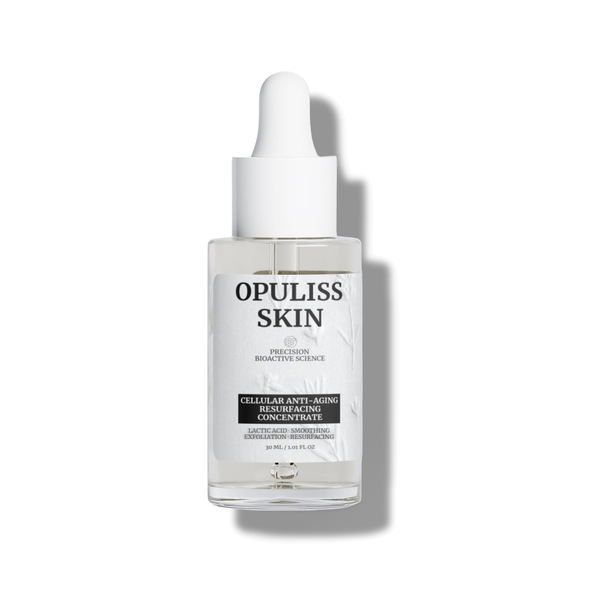

 CELLULAR ANTI-AGING RESURFACING CONCENTRATESmooths and resurfaces with lactic acid.$325.00
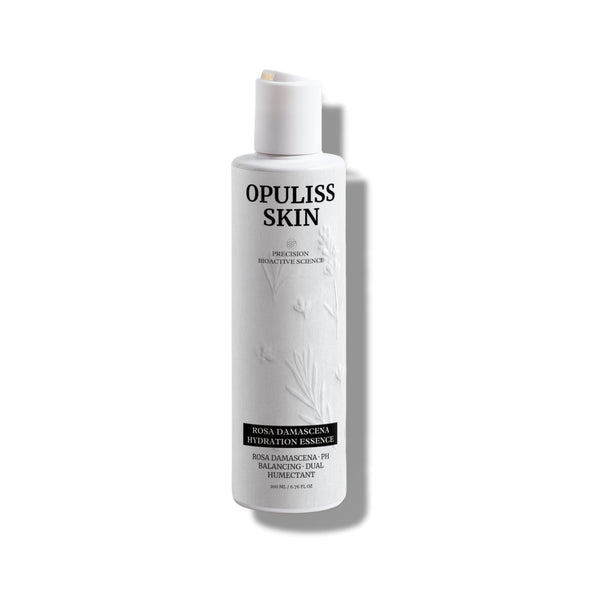
 ROSA DAMASCENA HYDRATION ESSENCEHydrates and balances with damask rose essence.$180.00
 WATERCRESS BOTANICAL SERUMHydrates and shields with antioxidant watercress.$325.00
 POSTBIOTIC CALM SERUMCalms and balances skin with postbiotic ferment.$325.00