Rich Cream or Gel by Climate: Choosing a Luxury Texture for Where You Live
In humid heat the face carries more surface oil, so a humectant gel usually suits it better than a rich butter cream. What the summer skin studies measured, how gels and creams differ, and which Opuliss texture fits humid, air-conditioned, temperate and dry air.
What is the best luxury moisturiser for a humid climate? Usually a gel that hydrates with water-binding humectants rather than butters. In summer heat, a study measured more surface oil and greasiness on the face, while cheek hydration dropped as sweat dried.1 The job is water without extra lipid. Keep rich cream for drier air.
This guide starts from the air rather than from a famous jar, and it says where the studies disagree.
What humid heat does to skin

In one exposure study, women spent 90 minutes outdoors in July 2016 and 90 minutes indoors, and their skin was measured after each. After the outdoor session, hydration, sebum and greasiness readings were higher across the face and forearm, and skin pH was lower.1 The authors put the rise in hydration down to sweat. During the outdoor session itself, hydration on the cheek fell as that sweat evaporated.1 Their own conclusion was that summer skincare should manage sweat and sebum and still supply moisture, especially to the cheeks.
A year of measurements in Guangzhou, in southern China, points the same way on oil. Forehead sebum and hydration were both higher in spring and summer than in autumn and winter, and sebum tracked the average humidity.2 Those readings were taken in a room held at a constant temperature and humidity, so the seasonal difference is not simply sweat on the day.
In a room study run at set temperatures and humidities, facial skin measured less moist at 28°C than at 15°C, while the feeling of dryness followed low humidity. What skin measured and what it felt did not always agree.3 Read together, these studies describe a face that can be oily and short of water at the same time, which is exactly the case a humid-climate moisturiser has to answer.
Few humid days are spent entirely outdoors. In a study that alternated half hours of hot, humid air with half hours of cool, dry air, the kind of swing between a street and an air-conditioned room, sebum rose and elasticity readings fell over the session.4
Managing the shine itself, with gentle cleansing and the ingredients that help the look of oiliness, is covered in our summer oil control guide. This page stays on the texture question.
Gel, light cream and rich cream: what each texture is built to do

Every moisturiser is some mix of three kinds of ingredient. Humectants hold water within the outer layer of skin. Occlusives mainly limit the loss of water to the air, and emollients add a complementary sealing effect that also supports hydration.5 Texture follows the mix. A gel carries water and humectants in a thickened base with little or no oil. A gel cream adds a light oil phase, and a light cream carries more of one. A rich cream is an emulsion where butters and plant oils do most of the work. Opuliss stocks a gel, a light cream and a rich cream, and no gel cream.
A review of topical bases sets ointments, creams, gels and lotions side by side, and argues that the base should be chosen for the skin it goes on, because the match affects how well a product works and how consistently people keep using it.6 A texture that feels heavy by midday is a texture that gets skipped.
Humidity also changes how individual humectants behave. In a laboratory study on isolated skin, sodium PCA was the more effective humectant above 60 percent relative humidity, while glycerin did better below 40 percent.7
Hyaluronic acid is the other humectant these gels rely on. In a study of creams carrying 0.1 percent hyaluronic acid at five molecular weights, every version improved skin hydration and elasticity readings around the eye over 60 days, compared with a plain cream around the other eye.8
Matching the texture to the air you live in

- Humid heat, mostly outdoors. A gel. It supplies water without adding lipid to a face that is already carrying more oil.1
- Humid outside, air-conditioned inside. A gel by day, with a light cream for long hours indoors or at night. The swing between the two kinds of air is itself part of what skin is dealing with.4
- Temperate. A light cream, which carries humectants for the day and a little lipid for comfort.
- Dry, cold or heated air. A rich cream, ideally over a humectant layer. A few hours in low humidity lowered the water content of the outer skin on the cheek and forearm and raised surface roughness readings on the forearm.9 Limiting water loss is the job occlusives and emollients are built for.5
Switch when the air changes, not on a date.
What the evidence shows and does not
What it shows: exposure and seasonal studies agree that warmth and humidity bring more surface oil to the face.12 Laboratory work shows that humidity changes which humectant performs better,7 and a controlled study found that hyaluronic acid creams raised hydration readings against a plain cream.8
What it does not show: the hydration readings do not agree with each other. Outdoors in summer, hydration rose with sweat and then fell on the cheek, while in a controlled room skin measured less moist in the warmth.13 No study we found compared a gel with a rich cream on the same faces in humid heat, so the texture guidance on this page is reasoning from what each texture is built to do, not a head-to-head result. The sodium PCA finding was made on isolated skin in a laboratory, and zinc PCA, a different salt of the same acid, was not part of it. The exposure studies were short, and the work here that names where it ran was done in East and Southeast Asia, so these readings describe a direction rather than a rule for every face.
None of this is a promise about a bottle.
The Opuliss products for each climate

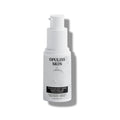
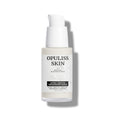
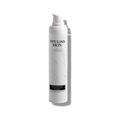
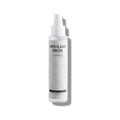
For humid heat, the ZINC PCA BALANCING GEL is a 50 ml hydrating gel with no oil phase, built on zinc PCA, sodium hyaluronate, a prebiotic complex of rhamnose, glucose and glucuronic acid, and watercress flower and leaf extract. It is 100 percent natural origin and vegan eligible. It carries naturally derived fragrance compounds (limonene, linalool, geraniol and citral), so patch test first. Zinc PCA and its evidence are set out in our guide to oil-free face gels.
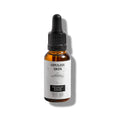
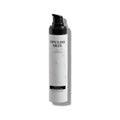
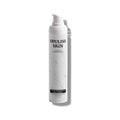
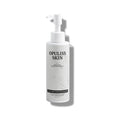
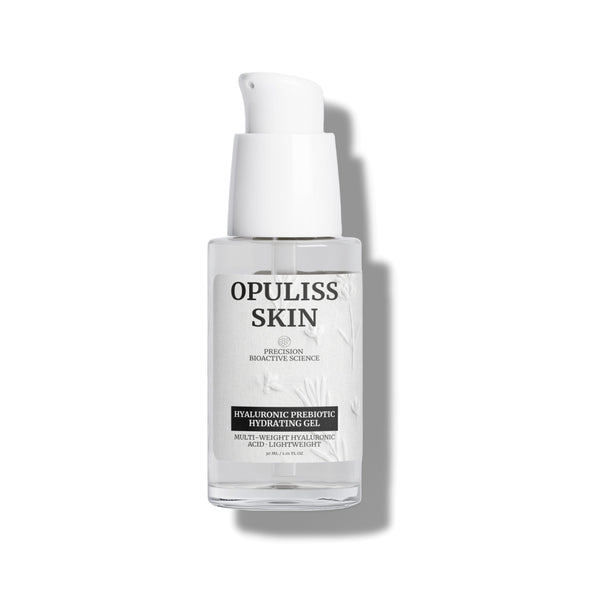
The HYALURONIC PREBIOTIC HYDRATING GEL is a 30 ml aqueous gel on an aloe leaf juice base, led by multi-weight hyaluronic acid (hydrolyzed hyaluronic acid and sodium hyaluronate) with the same prebiotic complex and white tea and sage leaf extracts. Its ingredient list also names sodium PCA and glycerin, the two humectants in the humidity study above. It is 99 percent natural origin and vegan eligible. It contains fragrance (Parfum), and its page asks for a 24 hour patch test on the inner forearm before facial use. Its page places it after toner and before serum or moisturiser, so in humid heat it goes on under the zinc gel or the light cream, and in drier air it sits under the rich cream.
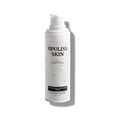
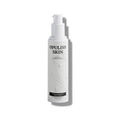
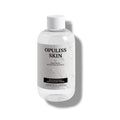
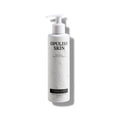
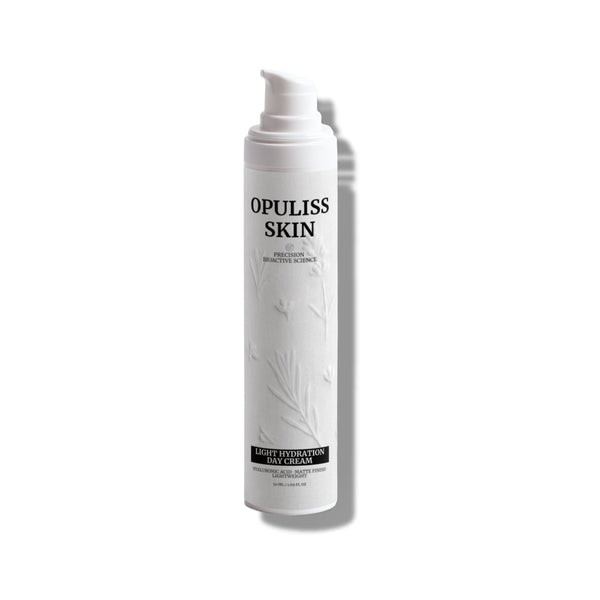
For temperate days and air-conditioned offices, the LIGHT HYDRATION DAY CREAM is the middle texture: a 50 ml lightweight day cream with a matte finish, built on multi-weight hyaluronic acid and argan kernel oil, with bisabolol, aloe leaf juice, and parsley, oak bark and burdock root extracts. It is 99 percent natural origin and vegan. It contains fragrance, and burdock belongs to the daisy family, so read the allergen note on its page before first use.
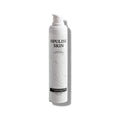
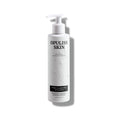
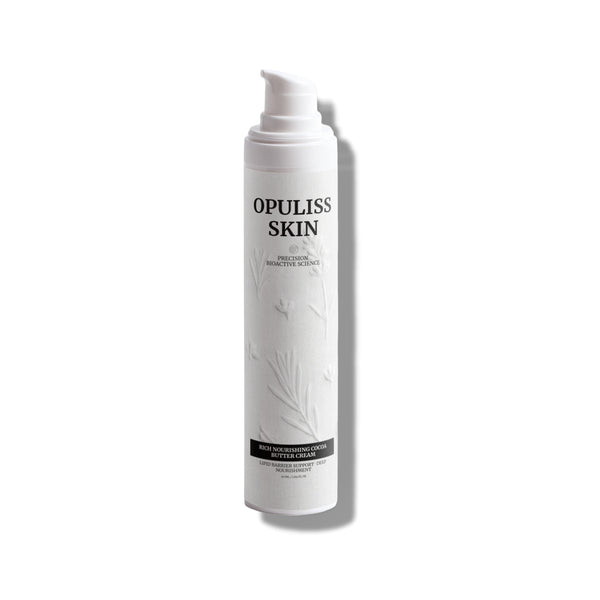
For cold months, heated rooms and dry climates, the RICH NOURISHING COCOA BUTTER CREAM is the occlusive end of the range: a 50 ml rich emollient cream built on cocoa seed butter, argan kernel oil and olive oil unsaponifiables, with cloudberry fruit extract. It has no added fragrance, and it is 99 percent natural origin and vegan eligible. In humid heat it belongs to the night rather than the day.
For a year that swings between humid summers and dry winters, the Deep Moisture Collection Box sets the rich cream and the hyaluronic gel together, with the Periorbital Comfort Eye Concentrate.
The multi-weight hyaluronic acid and cocoa butter glossary entries explain each ingredient and its source. The moisturiser finder asks which texture you prefer and whether you want a separate day and night moisturiser, which is where a climate switch fits. Sunscreen is a separate step, covered in the sun protection guide.
Frequently Asked Questions
Is a rich cream too heavy for humid weather? +
By day, often yes. In a summer exposure study, sebum and greasiness readings on the face rose after time outdoors, and a rich cream adds butters and plant oils on top of that. Keep it for air-conditioned nights, cold months or a dry climate, and use a gel by day.
Gel or cream moisturiser in hot, humid weather? +
A gel, for most skin. It hydrates with humectants and adds little or no oil. If your cheeks still feel tight by evening, add a light cream at night rather than giving up the gel.
Do I need a different moisturiser in summer and winter? +
If your seasons differ much, usually yes. A year of measurements found more sebum and hydration in the warm months than in the cool ones, so a gel for summer and a richer cream for winter follows the skin rather than the calendar.
References
- Kim S, Park JW, Yeon Y, Han JY, Kim E. Influence of exposure to summer environments on skin properties. J Eur Acad Dermatol Venereol. 2019, 33(11):2192-2196. DOI 10.1111/jdv.15745. PubMed PMID 31199529 (Kim 2019).
- Wan MJ, Su XY, Zheng Y, et al. Seasonal variability in the biophysical properties of forehead skin in women in Guangzhou City, China. Int J Dermatol. 2015, 54(11):1319-1324. DOI 10.1111/ijd.12741. PubMed PMID 25557023 (Wan 2015).
- Egawa M, Koizumi K, Hirao T. Changes in facial moisture distribution and feelings of moisture/dryness among various environmental temperatures and humidities in summer and winter. Skin Res Technol. 2020, 26(6):937-948. DOI 10.1111/srt.12898. PubMed PMID 32602641 (Egawa 2020).
- Jang SI, Lee M, Jung Y, et al. Skin characteristics following repeated exposure to simulated outdoor and indoor summer temperatures in South Korea and Southeast Asia. Int J Cosmet Sci. 2021, 43(3):352-358. DOI 10.1111/ics.12702. PubMed PMID 33728685 (Jang 2021).
- Rawlings AV, Canestrari DA, Dobkowski B. Moisturizer technology versus clinical performance. Dermatol Ther. 2004, 17 Suppl 1:49-56. DOI 10.1111/j.1396-0296.2004.04s1006.x. PubMed PMID 14728699 (Rawlings 2004).
- Barnes TM, Mijaljica D, Townley JP, et al. Vehicles for Drug Delivery and Cosmetic Moisturizers: Review and Comparison. Pharmaceutics. 2021, 13(12):2012. DOI 10.3390/pharmaceutics13122012. PubMed PMID 34959294 (Barnes 2021).
- Kilpatrick-Liverman L, Polefka TG. Use of the dynamic vapor sorption meter to measure skin hydration properties, in vitro. Skin Res Technol. 2006, 12(1):36-42. DOI 10.1111/j.0909-725X.2006.00132.x. PubMed PMID 16420537 (Kilpatrick-Liverman 2006).
- Pavicic T, Gauglitz GG, Lersch P, et al. Efficacy of cream-based novel formulations of hyaluronic acid of different molecular weights in anti-wrinkle treatment. J Drugs Dermatol. 2011, 10(9):990-1000. PubMed PMID 22052267 (Pavicic 2011).
- Egawa M, Oguri M, Kuwahara T, Takahashi M. Effect of exposure of human skin to a dry environment. Skin Res Technol. 2002, 8(4):212-218. DOI 10.1034/j.1600-0846.2002.00351.x. PubMed PMID 12423539 (Egawa 2002).
Shop the article
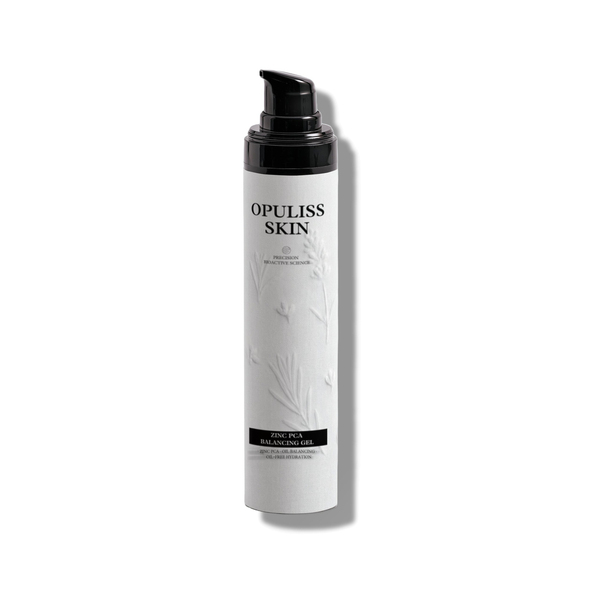
 ZINC PCA BALANCING GELBalances oil and hydrates oil-free with zinc PCA.$281.00
 HYALURONIC PREBIOTIC HYDRATING GELHydrates lightly with multi-weight hyaluronic acid.$169.00
 LIGHT HYDRATION DAY CREAMHydrates with a lightweight, matte finish.$281.00
 RICH NOURISHING COCOA BUTTER CREAMDeeply nourishes dry skin with cocoa butter.$281.00