Oil-Free Face Gel for Men: What to Look For, and What Zinc PCA Does
An oil-free face gel should hydrate without oil and keep the skin looking less shiny through the day. What zinc PCA and hyaluronic acid each do, what the studies measured, and the two Opuliss gels built on them.
What is the best oil-free face gel for men? One that hydrates without adding oil and helps the skin look less shiny by mid afternoon. Two ingredients do most of that work: zinc PCA, a skin conditioning mineral salt listed in Europe with a sebum-controlling function, and hyaluronic acid, which holds water in the skin without any oil at all.
The word "best" on a page like this usually means "ours". Here it means the two ingredients worth checking a label for, with the studies behind each, and then the two Opuliss gels built on them, so the choice is yours to make with the facts in front of you.
What an oil-free face gel actually is
A face gel is a water-based moisturiser with no oil phase. Instead of oils and butters it relies on humectants, ingredients that draw water into the outer skin and hold it there, and on a light gel texture that sinks in without a film. For skin that runs oily, which is the usual reason a man reaches for a gel rather than a cream, that means hydration without the shine that an oil-based cream can add.
Zinc PCA is the zinc salt of pyrrolidone carboxylic acid, or PCA. PCA is a component of the skin's own natural moisturising factor, the mix of small molecules that keeps the outer skin hydrated. The Cosmetic Ingredient Review panel assessed PCA and its salts as safe as used in cosmetics.1 In the European cosmetic ingredient database, zinc PCA carries the functions skin conditioning, humectant and sebum control, which is the pairing that makes it useful in a gel: the PCA half hydrates and the zinc half is there for the oil.
Hyaluronic acid is a sugar-based molecule that skin makes itself and that binds many times its own weight in water. Its cosmetic use was assessed as safe by the same panel,2 and its role in holding water in the skin is well described.3 In a formula it comes in different molecular weights, and the weight decides how deep into the outer skin it can sit.
How it works

The zinc half is the interesting one. In a laboratory study on human skin tissue, zinc was among the metal ions that lowered the activity of an enzyme involved in sebum production.4 That is the mechanism behind the sebum-control listing. On the face it reads as less surface shine over the day, not as dryness, because the PCA it is bound to is a humectant.
Hyaluronic acid does the hydration. A multi-weight blend pairs larger molecules that sit on the surface and hold water there with smaller ones that settle into the outer layers, which is how a gel with no oil in it can leave skin feeling comfortable rather than tight.
Both Opuliss gels add watercress flower and leaf extract. In a laboratory skin irritation model, a watercress extract reduced swelling and redness.5 That is why it sits in a formula for skin that gets rubbed by a razor most mornings. And a prebiotic sugar complex, rhamnose with glucose and glucuronic acid, is there to support a comfortable skin surface.
What the evidence shows and does not

What it shows: a safety assessment for PCA and its salts, a regulatory listing that names sebum control as one of zinc PCA's functions, a laboratory mechanism for zinc on a sebum-related enzyme, a well described role for hyaluronic acid in skin hydration, and an animal model for watercress on irritated skin.
What it does not show: there is no independent published trial of zinc PCA at cosmetic concentrations that we can cite, so the sebum reading rests on the regulator's listing and on zinc as an ion rather than on a trial of the finished salt. Supplier panel studies exist and are not published, so they are not cited here. The watercress evidence is a mouse model, not a human one. None of this makes a gel a spot product, and this page will not describe it as one. What the evidence supports is a hydrating, oil-free gel whose zinc is there for the look of shine.
If you want the checklist we hold every ingredient page to, it is in how to tell if a luxury skincare brand is actually science-backed.
The Opuliss products that use it

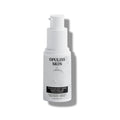
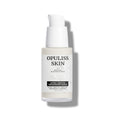
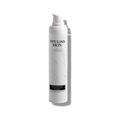
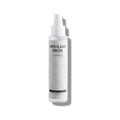
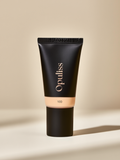
The ZINC PCA BALANCING GEL FOR MEN is a 50 ml oil-free hydrating gel built for daily grooming. Zinc PCA leads a four-part stack with multi-weight hyaluronic acid, the prebiotic sugar complex and watercress extract, on an aloe leaf juice base. It is 100 percent natural origin and vegan eligible, and it goes on after cleansing or shaving, morning and night, on its own or under sunscreen.
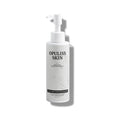
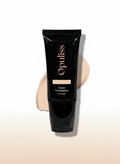
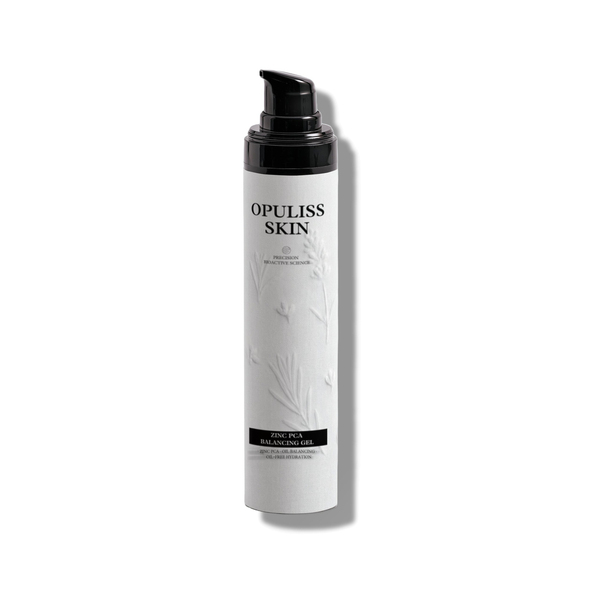
The ZINC PCA BALANCING GEL is the same core formula without the men's positioning, for anyone with oily skin who wants hydration without oil. The zinc PCA glossary entry and the multi-weight hyaluronic acid entry carry each ingredient's listing, and the moisturiser finder will tell you whether a gel or a cream fits your skin.
Frequently Asked Questions
Can an oil-free gel replace a moisturiser for oily skin? +
Yes. A gel built on humectants is a moisturiser, it simply hydrates with water-binding ingredients instead of oils. For skin that runs oily it is usually the better fit.
Will zinc PCA dry my skin out? +
No. The zinc is bound to PCA, a humectant that is part of the skin's own natural moisturising factor, and the gel carries multi-weight hyaluronic acid alongside it. The zinc is there for surface shine, not to strip anything.
Can I use it straight after shaving? +
Yes. It is oil-free, fragrance is not the point of the formula, and the watercress extract was included for freshly shaved skin. Patch test first if your skin reacts easily, as with any new product.
Is an oil-free gel enough in winter? +
For oily skin, usually yes. If your skin turns dry or tight in cold weather, layer a light cream over the gel at night rather than switching away from it, or let the moisturiser finder pick for you.
References
- Fiume MM, Bergfeld WF, Belsito DV, et al. Safety Assessment of PCA (2-Pyrrolidone-5-Carboxylic Acid) and Its Salts as Used in Cosmetics. Int J Toxicol. 2019;38(2_suppl):5S-11S. DOI 10.1177/1091581819856568. PubMed PMID 31522652 (Fiume 2019).
- Becker LC, Bergfeld WF, Belsito DV, et al. Final report of the safety assessment of hyaluronic acid, potassium hyaluronate, and sodium hyaluronate. Int J Toxicol. 2009;28(4 Suppl):5-67. DOI 10.1177/1091581809337738. PubMed PMID 19636067 (Becker 2009).
- Papakonstantinou E, Roth M, Karakiulakis G. Hyaluronic acid: A key molecule in skin aging. Dermatoendocrinol. 2012;4(3):253-258. DOI 10.4161/derm.21923. PubMed PMID 23467280 (Papakonstantinou 2012).
- Sugimoto Y, Lopez-Solache I, Labrie F, Luu-The V. Cations inhibit specifically type I 5 alpha-reductase found in human skin. J Invest Dermatol. 1995;104(5):775-778. PubMed PMID 7738354 (Sugimoto 1995).
- Camponogara C, Silva CR, Brusco I, et al. Nasturtium officinale R. Br. effectively reduces the skin inflammation induced by croton oil via glucocorticoid receptor-dependent and NF-kB pathways without causing toxicological effects in mice. J Ethnopharmacol. 2019;229:190-204. DOI 10.1016/j.jep.2018.10.018. PubMed PMID 30339978 (Camponogara 2019).
Shop the article
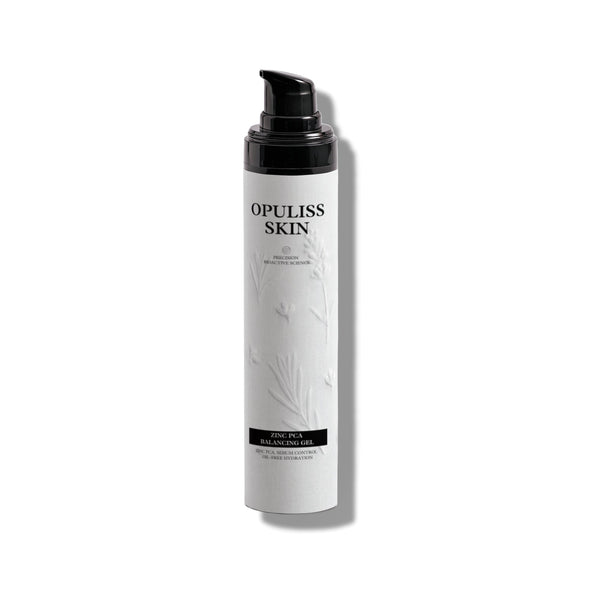
 ZINC PCA BALANCING GEL FOR MENControls shine and hydrates weightlessly with zinc PCA.$281.00
 ZINC PCA BALANCING GELBalances oil and hydrates oil-free with zinc PCA.$281.00