Puffy, Dry or Shadowed? Sort Your Under-Eye Before You Buy
Puffiness, dry crepey texture and under-eye shadow are three different looks with three different answers. How to tell them apart in ten seconds, what the published studies measured, and which Opuliss eye formula sits with each.
What is the difference between under-eye puffiness, dryness and shadow? Puffiness is volume, worst on waking and softer by midday. Dryness is texture, fine crepey lines that a heated room makes worse. Shadow is colour and light, and it holds steady all day. Sort by which one you see first.
Opuliss Skin, the skincare line of the online beauty house Opuliss, sells six eye formulas. Most eye products are sold to all three looks at once. They are not the same thing, and one of them is not a skincare question at all. This page separates them and says where the published work stops.
Why the under-eye is not like the rest of your face

A histometric study of fifteen facial sites found the upper eyelid the thinnest skin on the face, and used it as the denominator for every other site. Against it the nasal tip measured more than three times thicker and the brow close to three times.1
Thin skin shows what sits beneath it, and it shows texture sooner. That one fact sits behind all three looks.
The look that is worst when you wake

Morning puffiness is usually fluid. Ultrasound readings taken on the same faces in the morning and again in the afternoon found facial skin, the corner of the eye included, measurably thicker in the morning and thinner later, while skin on the thigh and calf moved the opposite way. The authors read that as dermal fluid shifting down the body by gravity across the waking day.2
So puffiness with a clock on it softens by lunchtime. A bag that is there at noon and at midnight is a different thing.
When consultations for lower eyelid bags were analysed and scored, six anatomical contributors turned up: the cheek dropping away with a hollow tear trough, fat sitting forward from the orbit, slack sun-exposed skin, fluid in the lid itself, muscle activity, and a fold across the cheek. The cheek and tear trough scored highest, and no single one accounted for most cases.3 One item on that list is skin. None is a cream.
The look that is dry and crepey

Dry under-eye skin reads as fine lines that come and go with the room you are standing in. It looks worse in a heated flat and under air conditioning, better an hour after a richer cream, and it keeps no morning-to-afternoon rhythm.
This look has the most direct measured support, because hydration is straightforward to measure. In work on the skin around the eye, creams each carrying hyaluronic acid of one molecular weight, five weights across the study, were applied twice daily for sixty days, with a vehicle cream on the other eye for comparison. Hydration and elasticity readings improved with every hyaluronic acid cream, and wrinkle depth taken from surface replicas improved in the two lowest molecular weight groups.4
Four of the five formulas below carry multi-weight hyaluronic acid, a blend rather than the single weights that study tested. The caffeine booster carries none at all, and is a glycerin and algin water-gel. For the other four it is the least glamorous ingredient and the best evidenced.
The look that is a shadow, and the look that is a colour

Here is where eye-cream copy usually stops being honest. When dark under-eye circles were examined under a Wood's lamp and by ultrasound and sorted by type, four appeared: colour sitting in the skin, colour showing through from vessels close under thin skin, shadow cast by the shape of the socket and the lid, and mixtures of those. The mixed type accounted for 78 percent of the cases scored, and each pure type was uncommon.5 An evidence-based review sorts the same way.6
Tilt your chin up towards a window. If the darkness lifts or moves, you are looking at a shadow, and a shadow is shape. No cream changes shape. If the colour stays where it was, it sits in the skin or just under it. And when it is shadow, the honest answer is a concealer matched to you, or nothing at all.
What the evidence shows and does not
What it shows: facial skin, the eye corner included, measures thicker in the morning than in the afternoon.2 A standing under-eye bag has at least six contributors, most of them structural.3 Hyaluronic acid around the eye improved hydration and elasticity, and the lower molecular weights improved wrinkle depth.4 Under-eye darkness sorts into colour, vessels and shadow, usually mixed.56
What it does not show: not one study on this page tested an Opuliss formula. A review of popular eye-cream ingredients names the shortage of trials run on finished eye formulas as a notable limitation of the field.8
Three further limits. The hyaluronic acid work measured hydration, elasticity and wrinkle depth, not puffiness and not colour. The bidens pilosa research behind the eye serum was run on a fixed combination of bidens pilosa extract with andrographolide, so its readings on the look of wrinkles, on elasticity and on hydration belong to that pair rather than to the single botanical.7 And neither active behind the puffiness answer has been tested alone. Every eye-area caffeine study we found pairs it with other actives, and the one horse chestnut trial around the eye used the whole extract rather than escin by itself.
The Opuliss products that match each look
Five of those six sort onto the three looks.
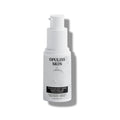
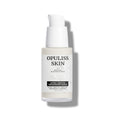
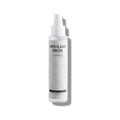
For the morning look, the Caffeine De-Puff Eye Booster is a 20 ml water-gel carrying caffeine at 1 percent with algin, an algae-derived biopolymer, and glycerin. Alcohol sits second on its full ingredient list, ahead of the caffeine, which matters if your skin finds that drying. The product page states 99 percent natural origin and vegan eligible. It layers under a cream rather than replacing one.
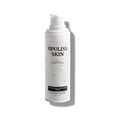
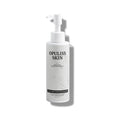
For dry, crepey texture, the Barrier Eye Cream is a 15 ml cream built on dipalmitoyl hydroxyproline, a collagen amino acid ester, with a natural ceramide complex of glycosphingolipids and glycolipids, black tea leaf extract and multi-weight hyaluronic acid. The page states 100 percent natural origin and vegan eligible.
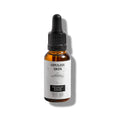
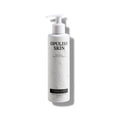
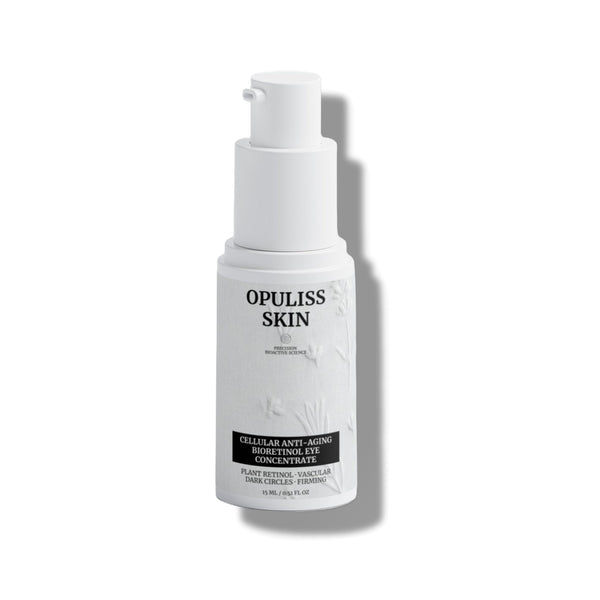
For fine lines around the eye, the CELLULAR ANTI-AGING BIORETINOL EYE SERUM is a 15 ml serum led by bidens pilosa extract, a botanical studied in cosmetics as a plant-based retinol alternative, alongside escin from horse chestnut seed, the same collagen amino acid ester, a marine ferment, borage seed oil and multi-weight hyaluronic acid.
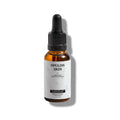
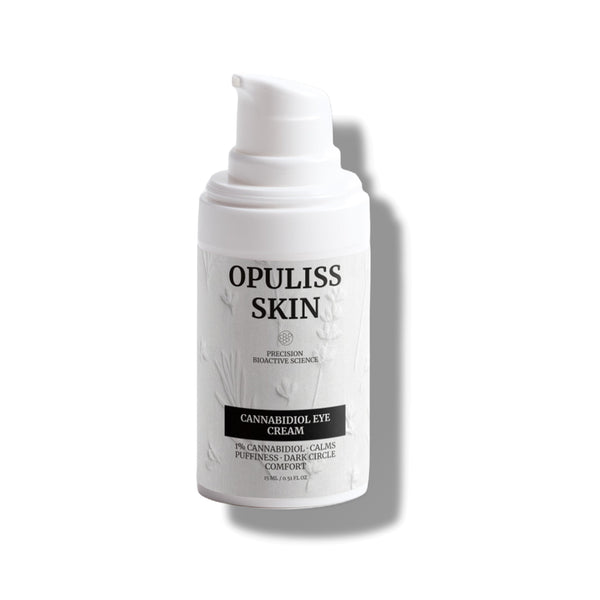
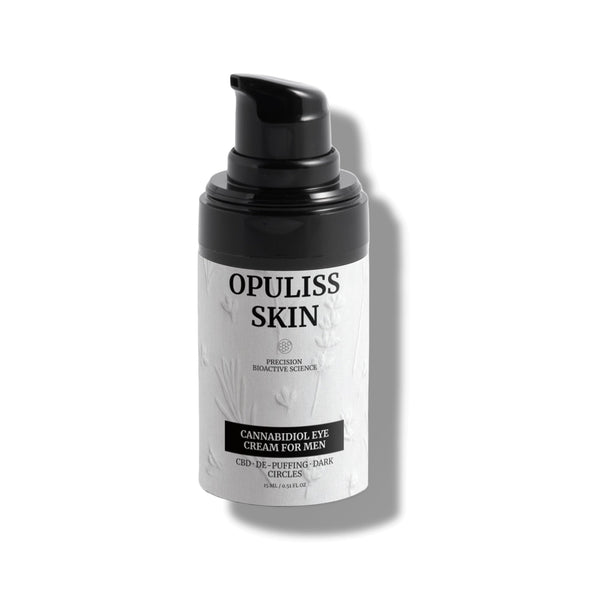
For skin that feels reactive and flushes easily around the eye, the Cannabidiol Eye Cream and the Cannabidiol Eye Cream for Men list the same three actives at the same 15 ml size and the same price: cannabidiol in a hemp seed oil base, escin from horse chestnut, and ginkgo biloba leaf extract, with grape leaf extract and multi-weight hyaluronic acid. The Cannabidiol Eye Cream page puts its cannabidiol at 1 percent. The other page states no figure. The two ingredient lists are otherwise the same, so pick the box you would rather keep on a shelf.
Escin from horse chestnut seed is the active four of these five share, and caffeine is the active only one carries. What each has and has not been tested for on skin around the eye is set out in the escin article and in what caffeine really does for the under-eye area. The horse chestnut, caffeine, cannabidiol and bidens pilosa glossary entries carry each one's regulatory listing, and the skin intelligence finder places any of them into a routine.
All five list Parfum or fragrance compounds on the label, so none of them is a fragrance-free choice.
Frequently Asked Questions
How do I tell puffiness from shadow in ten seconds? +
Look on waking and again after lunch. Puffiness softens across those hours, and facial skin measures thicker in the morning than later in the day. Then tilt your chin towards a window. If the darkness moves or lifts, it is shadow cast by shape rather than colour sitting in the skin.
Can an eye cream change an under-eye shadow? +
Where the darkness is a shadow cast by the shape of the socket and the lid, no cream changes shape, and the honest answer is light or a concealer matched to you. Most cases examined were a mixture, so part of what you see may sit within reach of skincare and part of it will not.
Do I need a separate eye product at all? +
Not necessarily. The skin around the eye is the thinnest on the face, with the upper eyelid the thinnest site measured, so a lighter texture and a smaller amount are more comfortable. The case for a dedicated formula is texture and placement rather than a different science.
Which of the five should I choose if I only want one? +
Choose by the look you see first. Morning volume points to the caffeine booster, dry crepey texture to the barrier cream, fine lines to the eye serum, and skin that flushes easily to the cannabidiol cream.
Are any of these suitable for sensitive skin around the eyes? +
All five list fragrance compounds on the label, and the eye serum carries a daisy family botanical that its product page discloses for anyone sensitive to ragweed, chamomile or arnica. Patch test on the inner forearm for twenty four hours, and keep every one of them off the eye surface itself.
References
- Ha RY, Nojima K, Adams WP Jr, Brown SA. Analysis of facial skin thickness: defining the relative thickness index. Plast Reconstr Surg. 2005;115(6):1769-1773. DOI 10.1097/01.prs.0000161682.63535.9b. PubMed PMID 15861089 (Ha 2005).
- Tsukahara K, Takema Y, Moriwaki S, et al. Dermal fluid translocation is an important determinant of the diurnal variation in human skin thickness. Br J Dermatol. 2001;145(4):590-596. DOI 10.1046/j.1365-2133.2001.04430.x. PubMed PMID 11703285 (Tsukahara 2001).
- Goldberg RA, McCann JD, Fiaschetti D, Ben Simon GJ. What causes eyelid bags? Analysis of 114 consecutive patients. Plast Reconstr Surg. 2005;115(5):1395-1402. DOI 10.1097/01.prs.0000157016.49072.61. PubMed PMID 15809605 (Goldberg 2005).
- Pavicic T, Gauglitz GG, Lersch P, et al. Efficacy of cream-based novel formulations of hyaluronic acid of different molecular weights in anti-wrinkle treatment. J Drugs Dermatol. 2011;10(9):990-1000. PubMed PMID 22052267 (Pavicic 2011).
- Huang YL, Chang SL, Ma L, Lee MC, Hu S. Clinical analysis and classification of dark eye circle. Int J Dermatol. 2014;53(2):164-170. DOI 10.1111/j.1365-4632.2012.05701.x. PubMed PMID 23879616 (Huang 2014).
- Pissaridou MK, Ghanem A, Lowe N. Periorbital Discolouration Diagnosis and Treatment: Evidence-Based Review. J Cosmet Laser Ther. 2020;22(6-8):217-225. DOI 10.1080/14764172.2021.1899238. PubMed PMID 34078228 (Pissaridou 2020).
- Ye S, Lee S, Kang S, Jun SH, Kang NG. Improvement of Skin Condition Through RXR Alpha-Activating Materials. Biomolecules. 2025;15(2):296. DOI 10.3390/biom15020296. PubMed PMID 40001599 (Ye 2025).
- Hamie H, Yassine R, Shoukfeh R, et al. A review of the efficacy of popular eye cream ingredients. Int J Womens Dermatol. 2024;10(2):e156. DOI 10.1097/JW9.0000000000000156. PubMed PMID 38873621 (Hamie 2024).
Shop the article
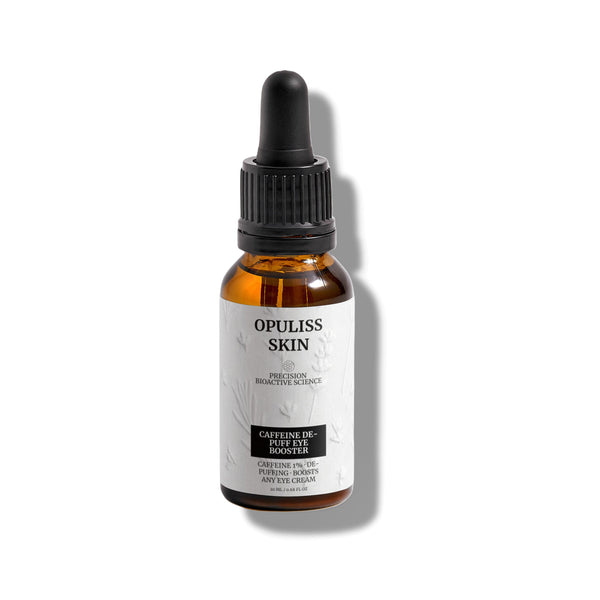

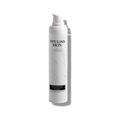
 CAFFEINE DE-PUFF EYE BOOSTERDe-puffs and softens the look of dark circles.$217.00
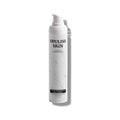
 BARRIER EYE CREAMConditions the eye barrier with ceramides and a collagen amino ester.$290.00
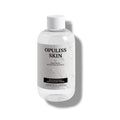
 CELLULAR ANTI-AGING BIORETINOL EYE SERUMBuilt on Bidens Pilosa, a plant alternative to retinol, for the eyes.$162.00
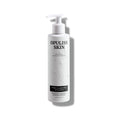
 CANNABIDIOL EYE CREAMSoothes puffiness and the look of dark circles with cannabidiol.$290.00